
Best Fabrics for Different Body Shapes
Table of Contents
- How Fabric Weight Affects Comfort and Silhouette
- Best Fabrics for Body Type: A Practical Selection Guide
- Clothing Fabrics That Drape Well
- Fabrics That Add Structure to Clothing
- Breathable Fabrics for Clothing and All-Day Comfort
- Knit vs. Woven Fabrics: Which Works for Your Shape
- Natural and Synthetic Fibers: Comfort and Care
- Stretch and Ease of Movement
- Frequently Asked Questions
Last Updated: October 10, 2026
How Fabric Weight Affects Comfort and Silhouette
Fabric weight is one of the most overlooked factors when choosing clothing that actually fits your body. The weight of a textile determines how it drapes, moves, and sits against your skin. Lightweight fabrics tend to skim the body.
When you wear a lightweight fabric, it clings less and flows more freely. This works well if you want to minimize certain areas or create a fluid silhouette. Heavier fabrics, by contrast, hold their shape better and provide more support.
The relationship between fabric weight and comfort is equally important. A heavy fabric in summer heat feels suffocating. A lightweight fabric in winter leaves you shivering.
Fabric weight is measured in grams per square meter (gsm). Lightweight fabrics typically range from 100-150 gsm. Medium-weight fabrics fall between 150-250 gsm. Heavier fabrics exceed 250 gsm.
Best Fabrics for Body Type: A Practical Selection Guide
Choosing the right fabric for your body shape requires matching textile properties to your proportions and styling goals. Different body types benefit from different fabric characteristics. The key is understanding which fabrics create the silhouette you want.
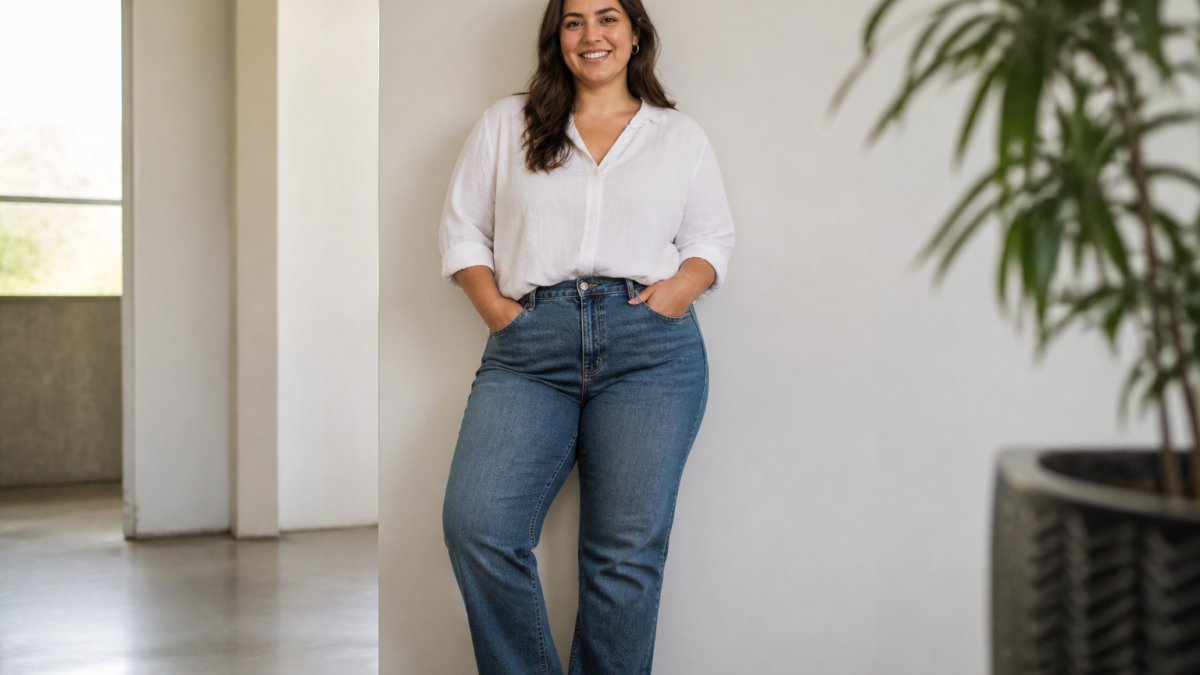
Pear-Shaped Bodies
Pear-shaped bodies carry more weight in the hips and thighs. The goal is often to balance the lower half with the upper body. Choose lightweight, fluid fabrics for the top half to avoid adding bulk. Save structured fabrics for skirts and pants that skim the legs rather than cling to them.
Cotton blends work well for pear shapes because they offer breathability without excessive drape. Rayon provides a smooth, elegant line. The Women's Lightweight Pull-On Denim Jeans with Elastic Waist offer the perfect balance for pear-shaped bodies, combining stretch for comfort with a relaxed fit that skims rather than clings.

Layering is your friend. A lightweight top paired with a structured jacket creates visual balance. Horizontal stripes and patterns work better on the upper body to draw the eye upward.
Apple-Shaped Bodies
Apple-shaped bodies typically carry weight around the midsection. The focus is creating definition and drawing attention away from the center. Choose fabrics that add structure without adding bulk.
Structured woven fabrics work better than clingy knits. Linen provides a crisp, defined line. Medium-weight cotton blends offer support without excessive weight. Avoid thin, transparent fabrics that cling to every curve. Instead, choose textiles with enough body to hold their shape.
Vertical lines and layering help create a lengthening effect. A structured blazer over a fitted top creates definition at the shoulders and waist. Breathable fabrics like cotton and linen keep you comfortable while providing the structure you need.
Hourglass Figures
Hourglass shapes have balanced proportions with defined waists. The goal is often to highlight these natural curves. Fitted fabrics that follow your contours work beautifully.
Stretch knits offer comfort and definition. Four-way stretch fabrics move with your body while maintaining shape. The SERENE SOFT authentic V1 tee features breathable nylon and spandex blend that hugs your curves without restricting movement. Medium-weight fabrics that drape smoothly create an elegant line.
Avoid overly stiff fabrics that fight your natural shape. Instead, choose textiles with enough give to follow your proportions. Wrap styles and fitted cuts work better than loose, shapeless silhouettes.
Rectangular Body Shapes
Rectangular shapes have straighter lines without dramatic curves. The goal is often to create the illusion of more definition. Fabrics that add volume or texture help create curves where you want them.
Structured fabrics work well. Heavier knits add bulk and dimension. Textured weaves create visual interest. Medium to heavy-weight fabrics provide the structure needed to create curves and definition.
Patterns, ruffles, and gathered details add dimension. Horizontal stripes and bold prints create the illusion of curves. Avoid thin, clingy fabrics that emphasize the straight lines of your frame.
| Body Shape | Best Fabric Weight | Ideal Fiber Types | Key Property |
|---|---|---|---|
| Pear | Lightweight to medium | Cotton blend, rayon | Fluid drape |
| Apple | Medium to heavy | Linen, structured cotton | Holds shape |
| Hourglass | Medium with stretch | Knit blends, spandex | Follows curves |
| Rectangle | Medium to heavy | Textured weaves, knits | Adds volume |
Clothing Fabrics That Drape Well
Drape refers to how a fabric falls and moves when worn. Some textiles hang stiffly. Others flow like water. The best fabrics for different body shapes include those with excellent drape properties.
Fabrics that drape well tend to be slightly heavier than lightweight options. They have enough body to fall smoothly without clinging. Rayon drapes beautifully. Silk creates elegant, fluid lines. Chiffon flows effortlessly.

Drape works best when the fabric has some weight but remains soft. Thin, stiff fabrics don't drape at all. They stand away from the body. Overly heavy fabrics bunch and fold awkwardly.
Clothing fabrics that drape well work across multiple body types because they create smooth lines. A draped fabric follows your body's natural contours without emphasizing problem areas. This is why wrap dresses and flowing skirts flatter so many different shapes.
Test drape by holding fabric in your hand. Does it fall smoothly? Does it bunch or cling? A fabric that drapes well feels soft and moves easily. It creates a graceful line from shoulder to hem.
Fabrics That Add Structure to Clothing
Structure is the opposite of drape. Structured fabrics hold their shape and create defined lines. They're essential for creating silhouettes that stand away from the body.
Woven fabrics naturally provide more structure than knits. Cotton twill, denim, and linen all hold their shape well. Heavier fabrics add more structure than lightweight options. A heavy cotton holds its shape better than a lightweight cotton.
Fabrics that add structure work well for creating definition and adding volume where you want it. A structured blazer creates shoulder definition. A stiff skirt adds volume to the hips.
The trade-off is comfort. Structured fabrics can feel stiff and restrictive. The key is finding the right balance. Medium-weight fabrics offer structure without sacrificing comfort. A structured cotton blend provides shape while remaining breathable.
Women's Lightweight Pull-On Denim Jeans with Elastic Waist – Relaxed Fit →
Structured fabrics also tend to wrinkle less and maintain their appearance longer. The French Terry Hoodie Abaya demonstrates how structure can be combined with comfort, using a 65% cotton, 35% polyester blend that resists wrinkles while maintaining its shape.

Breathable Fabrics for Clothing and All-Day Comfort
Breathability determines how air flows through a fabric. Breathable fabrics allow moisture to escape, keeping you cool and dry. Non-breathable fabrics trap heat and sweat against your skin.
Natural fibers like cotton and linen are inherently breathable. They allow air to pass through the weave. Synthetic fibers vary. Polyester is less breathable than cotton. Spandex blends maintain breathability better than pure synthetics.
Tight weaves reduce breathability. Open weaves allow more air circulation. A loosely woven linen breathes better than a tightly woven cotton.
For all-day comfort, especially in warm climates, choose breathable fabrics. Cotton remains the gold standard for breathability. Linen is even more breathable than cotton. Rayon, a semi-synthetic fiber, offers good breathability with a soft feel.
The Short Sleeve Round Neck T-Shirt With 'KARMA' Print uses a breathable blend of 60% polyester, 35% rayon, and 5% spandex. This combination provides breathability through the rayon content while adding durability and stretch.
Knit vs. Woven Fabrics: Which Works for Your Shape
Knit and woven fabrics behave differently on the body. Understanding these differences helps you choose the right textile for your body shape.
Knit fabrics are created by interlocking loops of yarn. This structure creates stretch and movement. Knits cling to the body more than woven fabrics.
Woven fabrics are created by interlacing horizontal and vertical threads. They offer less stretch but more structure. Woven fabrics hold their shape better and create more defined lines.
For body shapes that benefit from definition, woven fabrics often work better. For body shapes that benefit from stretch and movement, knits are superior.
The SERENE SOFT authentic V1 tee uses an 80% nylon, 20% spandex knit blend that provides four-way stretch. This allows the fabric to move with your body while maintaining its shape.
Natural and Synthetic Fibers: Comfort and Care
Natural fibers come from plants and animals. Cotton, linen, wool, and silk are all natural. Synthetic fibers are manufactured from chemicals. Polyester, spandex, and acrylic are synthetics.
Natural fibers offer superior breathability and comfort against the skin. Cotton feels soft and allows air circulation. Linen is cool and crisp. Wool provides warmth.
Synthetic fibers offer durability and easy care. Polyester resists wrinkles and maintains color. Spandex provides stretch.
Care requirements differ between natural and synthetic fibers. Natural fibers often require gentler washing and may shrink. Synthetics are more durable and easier to care for.
The French Terry Hoodie Abaya uses a 65% cotton, 35% polyester blend. This combination provides the breathable comfort of cotton with the durability and wrinkle resistance of polyester.
Stretch and Ease of Movement
Stretch is essential for comfort and fit. Fabrics with stretch move with your body instead of restricting movement.
Four-way stretch fabrics stretch both horizontally and vertically. Two-way stretch fabrics stretch in one direction. The amount of spandex in a blend determines how much stretch you get.
Ease of movement affects both comfort and silhouette. A fabric with stretch creates a smoother line because it follows your body's contours. Restrictive fabrics bunch and pull, creating unflattering lines.
The Women's Lightweight Pull-On Denim Jeans feature stretch fabric that provides comfort while maintaining the classic denim look.
Stretch fabrics are particularly important for body types that benefit from fitted styles. Hourglass figures need stretch to move comfortably in fitted pieces. Pear shapes need stretch in pants to accommodate hip curves without restriction. Rectangle shapes benefit from stretch to create a smoother silhouette.
Finding the best fabrics for different body shapes comes down to understanding how textiles behave. Weight, drape, structure, breathability, and stretch all play roles in creating flattering silhouettes.
Frequently Asked Questions
What fabrics are most flattering for different body shapes?
The best fabrics for your body shape depend on how they drape and move. Fluid fabrics like rayon and chiffon work well for pear-shaped bodies because they skim curves without clinging. Structured fabrics like cotton blends add definition to rectangular shapes. For apple-shaped bodies, breathable, lightweight fabrics that flow away from the midsection are ideal. Stretch fabrics with spandex offer comfort and a smooth silhouette across all body types. Our Women's Lightweight Pull-On Denim Jeans ($29.99) feature a relaxed fit with stretch that flatters most body shapes.
Which fabrics skim the body without clinging?
Fabrics with good drape, like chiffon, rayon, and linen blends, skim your shape without hugging tightly. These materials flow away from the body while maintaining a polished look. Lightweight weaves and knits with minimal stretch also work well. The key is a fabric weight that's substantial enough to hold its shape but fluid enough to move with you. Avoid heavy, stiff fabrics if you want a skimming effect; instead, choose medium-weight textiles that have natural movement.
What fabrics can help clothes fit comfortably around the stomach?
Breathable fabrics with moderate stretch, like cotton-polyester blends and French terry, provide comfort without drawing attention to the midsection. Structured fabrics that don't cling, such as linen or cotton twill, also work well. Look for garments with gathered waists or elastic waistbands that offer flexibility. Our French Terry Hoodie Abaya ($39.90) features a 65% cotton, 35% polyester blend that's soft and breathable while providing comfortable coverage. Avoid clingy knits and opt for fabrics with a looser weave that allows airflow.
How does fabric weight affect how clothes look on different body shapes?
Lightweight fabrics drape smoothly and work well for adding volume or creating fluid silhouettes on smaller frames. Medium-weight fabrics provide structure and definition, flattering most body shapes by holding their form. Heavier fabrics add bulk and create a more structured look, ideal for adding volume where you want it. For example, a lightweight rayon flows beautifully on pear-shaped bodies, while a structured cotton blend adds definition to rectangular shapes. Choose weight based on whether you want to emphasize, minimize, or balance specific areas of your body.