
Glowing Skin Supplements: Worth It or Hype?
Table of Contents
- What Are Glowing Skin Supplements and Do They Actually Work?
- Best Vitamins for Glowing Skin: Key Ingredients That Matter
- How Long Do Skin Supplements Take to Work?
- Collagen Supplement Benefits for Skin: Separating Fact from Fiction
- Clinical Evidence vs. Marketing Claims
- Topical Skincare Works Better: Why Serums and Creams Deliver Faster Results
- Common Mistakes People Make with Skin Supplements
- Conclusion: The Honest Verdict on Glowing Skin Supplements
- Frequently Asked Questions
Last Updated: September 27, 2026
What Are Glowing Skin Supplements and Do They Actually Work?
Glowing skin supplements are oral products containing vitamins, minerals, amino acids, and plant extracts designed to support skin health from within. Many promise results that outpace what the science actually supports.
Some ingredients have genuine research backing: hyaluronic acid, vitamin C, and collagen peptides show measurable effects on skin hydration and elasticity. Yet bioavailability, how much of what you swallow actually reaches your skin, remains unclear for many formulations.

The real tension is whether supplements work better than topical skincare. Most dermatologists agree that a solid topical routine delivers faster, more predictable results. Serums and creams work on the skin's surface; supplements take a longer, less direct route through your digestive system.
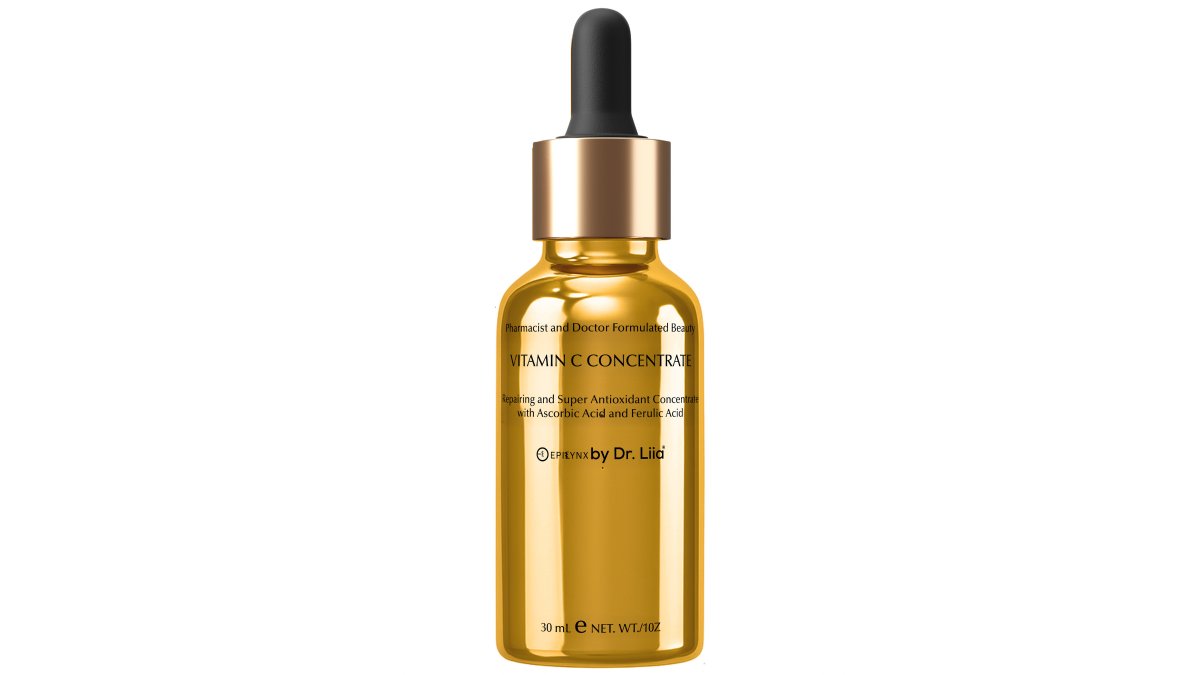
Supplements address nutritional gaps that topical products cannot. If your diet lacks key micronutrients or you're dealing with systemic skin issues like persistent dryness or inflammation, oral supplements can help. Most people see meaningful changes only after 8-12 weeks of consistent use.
Best Vitamins for Glowing Skin: Key Ingredients That Matter
Ingredient quality matters far more than brand prestige. Key micronutrients fall into three categories: antioxidants, hydration enhancers, and collagen builders.
Vitamin C stands out as one of the few supplements with solid research. It functions as an antioxidant that neutralizes free radicals generated by sun exposure and pollution. The catch: oral vitamin C supplementation shows modest effects compared to topical application. If you're investing in a vitamin C supplement, pair it with a topical vitamin C serum for synergistic benefit. The Brightening Vitamin C Glow Serum from sheshedbeauty4U combines this ingredient with hyaluronic acid and botanical antioxidants, delivering both oral and topical support in a curated approach.
Hyaluronic acid is a humectant that binds water to skin cells. Oral hyaluronic acid supplements claim to boost dermal hydration, but the mechanism is indirect. Your body breaks down the supplement, and only a fraction reaches skin tissue. Topical hyaluronic acid works more directly. For comprehensive hydration support, the Sunrise Hyaluronic Acid Serum for Sensitive Skin provides immediate surface hydration while you build internal support through diet and supplementation.

Collagen peptides are hydrolyzed collagen proteins your body absorbs more readily than whole collagen. Research suggests they may support skin elasticity and reduce fine lines, though results vary. Bioavailability depends on peptide size and digestive health.
Niacinamide (vitamin B3) reduces inflammation and supports the skin barrier. It's one of the few supplement ingredients that shows consistent benefits across multiple studies. Many topical products include niacinamide as well, making it a smart dual-approach ingredient.
How Long Do Skin Supplements Take to Work?
Glowing skin supplements typically require 8-12 weeks of consistent daily use before meaningful changes appear in skin texture, clarity, or radiance.
Your epidermis completely renews every 28-30 days. Real change, thicker dermis, improved collagen density, better cellular hydration, takes multiple cycles to manifest. Doubling doses won't accelerate results; your body can only absorb so much of a given nutrient per day.
Common mistake: stopping supplements after 3-4 weeks with no visible change, then switching brands. Consistency matters more than switching formulations. Pick a research-backed supplement, commit to 12 weeks, and reassess.
Timeline depends on your baseline. Significant micronutrient deficiency may show faster improvement; a nutrient-rich diet means subtler effects. A dermatologist can identify actual nutritional gaps rather than guessing.
| Timeline | What to Expect | Why It Matters |
|---|---|---|
| Weeks 1-4 | Minimal visible change; internal hydration may improve | Establishing baseline; allowing consistent absorption |
| Weeks 5-8 | Subtle texture improvements; possible reduction in dryness | Skin cells beginning renewal cycle; collagen synthesis starting |
| Weeks 9-12 | Visible clarity, improved elasticity, more radiant appearance | Full cell renewal cycles completed; cumulative benefit evident |
| Beyond 12 weeks | Sustained improvement; plateauing effect | Maintenance phase; consistency is key to preventing regression |
Collagen Supplement Benefits for Skin: Separating Fact from Fiction
Collagen gives skin structure and elasticity. As we age, production declines, leading to wrinkles and sagging. The logic of collagen supplements is appealing, but the science is more complex.
Your digestive system breaks down ingested collagen into amino acids and peptides. Your body uses these to synthesize new collagen throughout your body, not exclusively in your skin. You can't target collagen delivery to your face the way you can with a topical retinol serum.

That said, collagen peptides show promise in research. Studies suggest they may support skin elasticity and reduce the appearance of fine lines. The effect is modest compared to topical treatments, but it's real. The Anti-Aging Retinol Night Moisturizer from sheshedbeauty4U directly stimulates collagen production through retinol, offering a more direct mechanism than oral supplements alone.
Bioavailability varies by brand. Higher-quality supplements use smaller peptide chains for efficient absorption; cheaper formulations may have larger peptides that pass through largely unabsorbed.
Hyaluronic Acid Retinol Serum Anti →
Clinical Evidence vs. Marketing Claims
Most glowing skin supplements make claims that outpace the research backing them.
Marketing language like "clinically proven," "dermatologist-tested," and "visible results in days" often masks weak evidence. Many companies rely on small, short-term studies or anecdotal reviews rather than rigorous trials.
"Dermatologist-tested" often means a dermatologist applied the product and observed it didn't cause immediate irritation, not that efficacy claims were verified.
Look for studies that are:
- Published in peer-reviewed journals
- Conducted over at least 8-12 weeks
- Include a control group (placebo comparison)
- Measure objective outcomes (not just user satisfaction)
- Transparent about funding sources
Many supplement studies fail these criteria: manufacturer-funded, small sample sizes, or measuring subjective feelings rather than measurable changes. This means the evidence is weaker than marketing suggests.
The FDA's guidance on dietary supplement claims restricts what manufacturers can legally claim without clinical backing. If a supplement claims to "cure," "treat," or "prevent" a disease, it's making a drug claim and should face higher scrutiny. Vague claims like "supports skin health" are easier to defend legally but tell you less about actual efficacy.
Topical Skincare Works Better: Why Serums and Creams Deliver Faster Results
This is the uncomfortable truth many supplement marketers avoid: topical skincare delivers more predictable, faster results than oral supplements.
Topical ingredients work immediately where needed: hyaluronic acid hydrates instantly, retinol stimulates cell turnover that evening, vitamin C reaches cells within minutes. Oral supplements must survive stomach acid, be absorbed through the intestinal wall, travel through the bloodstream, and reach skin tissue, losing efficacy at every step.
Topical ingredients also offer higher concentrations at the site of action.
Common Mistakes People Make with Skin Supplements
Most people sabotage their supplement results through predictable mistakes.
Inconsistency is the biggest culprit. Supplements require daily use to build up in your system. Missing doses or taking them sporadically means you never reach therapeutic levels. Many people treat supplements like optional add-ons rather than daily commitments, then wonder why they see no results.
Conclusion: The Honest Verdict on Glowing Skin Supplements
Glowing skin supplements are worth considering, but only as part of a comprehensive approach. They're not hype, but they're not magic either.
Frequently Asked Questions
What is the best supplement for skin glow?
The most effective supplements for skin glow contain vitamin C, hyaluronic acid, collagen peptides, and antioxidants like resveratrol. Vitamin C boosts collagen synthesis and brightens complexion, while hyaluronic acid improves dermal hydration and skin elasticity. However, bioavailability varies by formulation. For faster, visible results, combining oral supplements with topical serums, like the Brightening Vitamin C Glow Serum ($49), delivers better outcomes than supplements alone, typically showing improvements within 4-8 weeks.
How long do skin supplements take to work?
Most skin supplements require 8-12 weeks of consistent use before visible results appear, as they work through systemic absorption and collagen synthesis. Some users notice minor improvements in skin hydration within 2-4 weeks, but significant changes to skin elasticity, texture, and premature aging signs take longer. Results depend on bioavailability, dosage, diet, hydration, and sun protection. Topical products show results faster, typically 2-4 weeks, because they bypass the digestive system and work directly on the skin barrier.
Is collagen really worth buying?
Collagen peptides have moderate clinical support for skin elasticity and hydration, but results are modest and inconsistent across studies. The body breaks down ingested collagen into amino acids during digestion, so you're not consuming intact collagen. What matters is whether those amino acids support collagen synthesis in the dermis. Some research shows benefits after 8-12 weeks, but topical retinol (like the Anti-Aging Retinol Night Moisturizer at $45) triggers collagen production more reliably. Collagen supplements work best as part of a complete routine, not as a standalone solution.
What are the side effects of taking skin supplements?
Most skin supplements are safe at recommended doses, but potential side effects include digestive upset, allergic reactions (especially with shellfish-derived collagen), and interactions with medications. High-dose vitamin C can cause kidney stones in susceptible individuals. Biotin supplements may interfere with certain blood tests. Always patch test topical products first, the Brightening Vitamin C Glow Serum recommends a 24-hour patch test behind the ear before full use. Consult a dermatologist if you have sensitive skin, take medications, or have existing health conditions.
Do dermatologists recommend skin supplements?
Dermatologists acknowledge that certain supplements support skin health when combined with proven topical treatments and lifestyle habits, but they emphasize that supplements alone don't replace dermatological skincare. Clinical evidence supports vitamin C, hyaluronic acid, and antioxidants for skin barrier function and oxidative stress protection. However, dermatologists prioritize topical retinol, sunscreen, and prescription treatments for visible anti-aging results. Most recommend supplements as complementary to, not substitutes for, professional-grade serums and creams that have stronger clinical backing for wrinkle reduction and skin elasticity.