
Nordstrom Alternatives for Sustainable Style
Table of Contents
- Why Shoppers Are Seeking Sustainable Fashion Alternatives
- Best Ethical Fashion Brands Online
- Key Materials and Sourcing Standards in Sustainable Fashion
- How to Build a Sustainable Capsule Wardrobe
- Identifying Greenwashing and Supply Chain Transparency
- Sustainable Style Essentials at sheshedbeauty4U
- Conclusion
Last Updated: August 18, 2026
Why Shoppers Are Seeking Sustainable Fashion Alternatives
Sustainable fashion has moved from niche concern to mainstream priority. Consumers increasingly recognize that conventional retail prioritizes volume over environmental responsibility, creating demand for brands aligned with ethical manufacturing, responsible sourcing, and circular economy principles.
Shoppers now ask harder questions: Where was this made? Who made it? What happens to it when I'm done wearing it? These aren't rhetorical, they're deal-breakers for a growing segment seeking Nordstrom alternatives for sustainable style. Fast fashion creates tangible problems: textile waste in landfills, water pollution from dyeing, undervalued labor, and supply chains designed for speed rather than durability.
Emerging brands address these issues directly. They emphasize supply chain transparency, invest in materials like organic cotton and recycled polyester, and design for longevity. Some integrate circular economy models, allowing customers to resell or return worn items. Others pursue third-party certifications that verify environmental and labor claims.
At sheshedbeauty4U, we've analyzed how conscious consumerism reshapes retail expectations. Our Effortless Style Collection reflects this shift, offering pieces designed for durability and versatility. Below, we'll explore the best ethical fashion brands online and show you how to build a sustainable wardrobe that works for your life.
Best Ethical Fashion Brands Online
Genuine sustainability requires alignment across multiple dimensions: material sourcing, manufacturing practices, supply chain accountability, and long-term design philosophy.
What Makes a Brand Truly Ethical
Ethical fashion brands distinguish themselves through specific, verifiable commitments. A truly ethical brand publishes supply chain information, names factories where production happens, and explains labor standards. They avoid greenwashing by backing claims with third-party verification rather than internal marketing alone.
Material selection reveals intent. Brands committed to responsible sourcing prioritize organic cotton over conventional cotton (which uses significant pesticides), recycled polyester over virgin plastic, and natural fibers that biodegrade. Durability is an often-overlooked marker of ethics, a garment designed to last five years is inherently more sustainable than one designed for a single season.
Labor practices anchor everything else. Fair wages, reasonable hours, safe working conditions, and worker voice in decision-making separate ethical operations from exploitative ones.
Third-Party Certification Verification
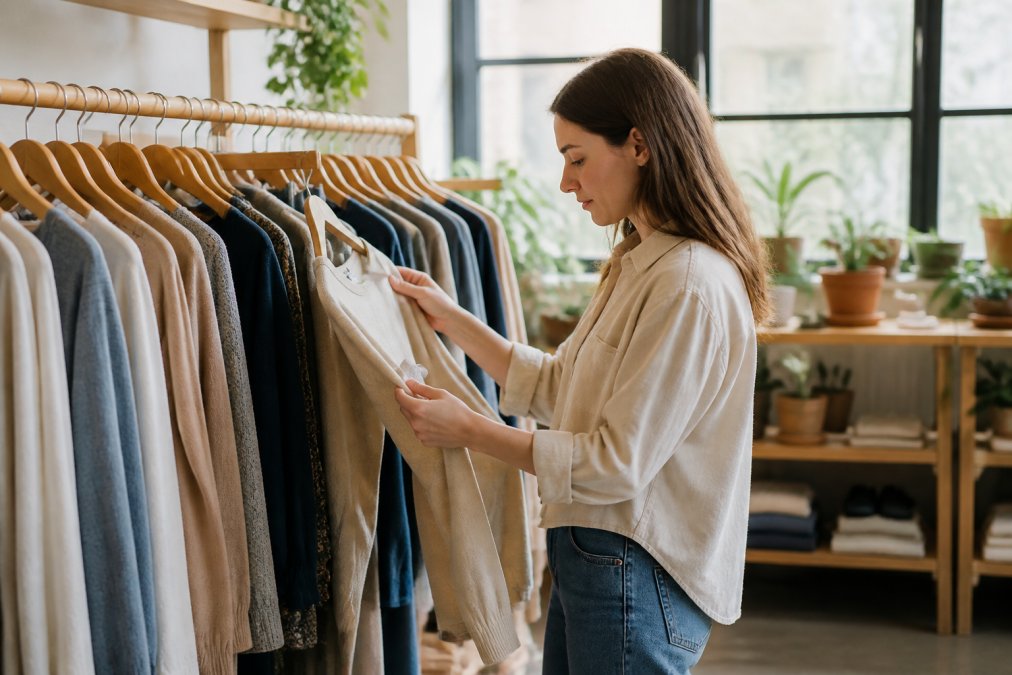
Third-party certifications provide accountability that self-reporting cannot. Common certifications include Fair Trade Certified (verifies labor standards and community investment), GOTS (Global Organic Textile Standard, confirming organic fiber sourcing and processing), and B Corp Certification (assessing overall social and environmental impact). Bluesign and OEKO-TEX certifications address chemical safety in textile production.
Legitimate certifications require third-party audits, site visits, and ongoing compliance monitoring. When evaluating certifications, check the issuing organization's credibility, whether audits are announced or unannounced, and whether violations carry meaningful consequences.
Key Materials and Sourcing Standards in Sustainable Fashion
Material choice determines water consumption, chemical use, biodegradability, and carbon footprint reduction potential.
Organic cotton eliminates synthetic pesticides and fertilizers, reducing water pollution and protecting farmer health. Recycled polyester transforms plastic waste into wearable fabric, reducing landfill burden and petroleum extraction. Natural fibers like linen, hemp, and wool offer biodegradability and low-impact production when responsibly sourced. Hemp requires minimal water and no pesticides.
Low-impact dyes and finishing processes reduce water pollution and chemical exposure for workers. Supply chain transparency means knowing where fibers originate and verifying suppliers have ethical labor practices and environmental standards.
How to Build a Sustainable Capsule Wardrobe
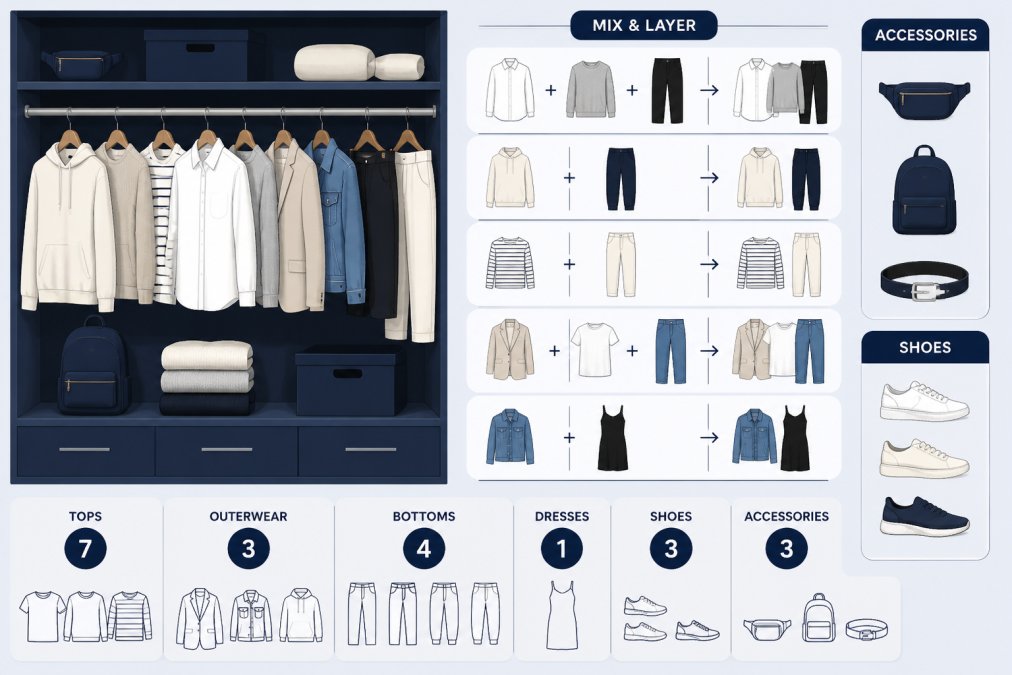
A capsule wardrobe, a small collection of versatile pieces that mix and match, is the practical foundation of sustainable style. Start by defining your actual lifestyle and identifying your color palette, fit preferences, and activity mix.
Choose quality basics over quantity. Five pairs of well-made jeans beats fifteen inconsistent pairs. Invest in neutral foundational pieces: white and black tees, neutral sweaters, well-fitting jeans, neutral pants, and versatile outerwear. Layer with strategic accent pieces that express personality without requiring constant replacement.

Cost-Per-Wear Analysis for Smart Shopping
Cost-per-wear transforms how you evaluate price. A $200 sweater worn 100 times costs $2 per wear. A $40 sweater worn five times costs $8 per wear. The expensive sweater is actually cheaper when durability and frequency are factored in.
Calculate conservatively. Quality indicators that justify higher prices include reinforced seams, quality fabric weight, natural fiber content, ethical labor practices, and timeless design.
Circular Economy and Resale Integration
Circular fashion models extend garment life beyond initial purchase. Resale platforms like Depop, Vestiaire Collective, and Poshmark let you recover value from pieces you no longer wear. Quality items, especially from ethical brands, retain resale value because durability and timeless design appeal to second-hand buyers.
Some brands operate take-back programs, accepting worn items for recycling or resale. Rental services reduce the pressure to own everything, making financial and environmental sense for occasion wear or trend pieces.
The circular economy mindset changes purchasing behavior. Instead of asking "Will I wear this once?" you ask "Will this piece have value to someone else when I'm done with it?" This perspective naturally filters toward quality, timeless pieces.
Identifying Greenwashing and Supply Chain Transparency
Greenwashing, marketing products as more sustainable than they actually are, undermines genuine sustainability efforts. Red flags include vague claims without specifics. "Eco-friendly" without explanation means nothing. Legitimate brands specify: "GOTS-certified organic cotton" or "Fair Trade Certified manufacturing."
Brands that publish detailed supply chain information, factory names, and labor practices demonstrate accountability. Those that keep sourcing proprietary are hiding something. Transparency is the opposite of greenwashing.
Watch for certification overload. A few rigorous, well-known certifications indicate genuine commitment. Examine environmental claims critically, specific numbers and methodologies indicate serious measurement. Vague improvements suggest greenwashing.
Genuinely ethical production costs more. If a brand claims sustainability but prices identically to fast fashion competitors, the math doesn't work. Request evidence. Legitimate brands welcome questions about sourcing, labor practices, and environmental impact.
According to the Federal Trade Commission's Green Guides, companies must substantiate environmental claims with reliable evidence. Familiarizing yourself with FTC standards helps you evaluate marketing claims critically.
Sustainable Style Essentials at sheshedbeauty4U
Building a sustainable wardrobe requires intentional pieces and practical accessories that support your values. At sheshedbeauty4U, our Effortless Style Collection combines quality, durability, and ethical sourcing to simplify conscious consumption.
Our calm FEATHER-SOFT lounge pant ($80) represents the capsule wardrobe principle in action. High-rise, wide-leg design works for both lounging and public appearances, a versatile piece that earns its cost-per-wear through repeated use.

For active wear, the SERENE warrior V2 legging ($78) delivers durability through quality construction. The Second Skin Quick Dry fabric resists degradation from frequent washing, and the high-rise design provides consistent fit. This is built to last through years of use.
The Bamboo + Cotton Makeup Pads ($13) eliminate single-use disposable wipes. These triple-layer pads wash and reuse up to 1000 times, replacing thousands of disposable cotton rounds. The plastic-free packaging aligns with circular economy principles.

Our Radiant Beauty Essentials prioritize quality formulations and responsible sourcing. Rather than accumulating dozens of products, we curate selections designed for effectiveness and longevity. Each piece in the Effortless Style Collection is selected for versatility, construction quality, and cost-per-wear value.
Research from the Ellen MacArthur Foundation demonstrates that circular economy models reduce environmental impact by 80% compared to linear consumption. This principle guides our curation: we seek pieces that work harder, last longer, and generate less waste.
Sustainable fashion alternatives exist because conventional retail has normalized waste. Building a wardrobe aligned with your values requires different questions, different shopping habits, and access to brands that prioritize ethics over volume.
Start with sheshedbeauty4U's Effortless Style Collection and Radiant Beauty Essentials. Our curated selection eliminates the noise of fast fashion, offering pieces designed for durability and versatility. Each item is selected to work harder in your life, whether through quality construction, ethical sourcing, or genuine utility. Search our collection to discover how intentional style simplifies both your wardrobe and your conscience.
| Sustainable Fashion Strategy | Implementation | Impact |
|---|---|---|
| Cost-per-wear analysis | Calculate total wears before purchasing | Shifts focus from price to value |
| Capsule wardrobe building | Invest in versatile basics, add accent pieces | Reduces decision fatigue and waste |
| Third-party certification verification | Check for GOTS, Fair Trade, B Corp labels | Confirms genuine ethical claims |
| Circular economy integration | Use resale, rental, or take-back programs | Extends garment life and recovers value |
| Supply chain transparency | Research brand sourcing and labor practices | Identifies greenwashing and supports accountability |
| Material selection | Prioritize organic cotton, recycled polyester, natural fibers | Reduces environmental impact of production |
Frequently Asked Questions
What stores are similar to Nordstrom but focus on sustainable fashion?
Several retailers prioritize sustainability while offering curated selections like Nordstrom. Look for brands emphasizing supply chain transparency, organic cotton, recycled polyester, and fair labor practices. Many independent online retailers now offer sustainable alternatives with personalized shopping experiences. Check for third-party certifications like Fair Trade or B Corp status to verify ethical claims. sheshedbeauty4U curates pieces designed for versatility and longevity, reducing the need for constant purchases.
How can I identify truly ethical clothing brands and avoid greenwashing?
Genuine sustainable fashion brands provide detailed information about their supply chain, manufacturing locations, and material sourcing. Look for specific certifications from recognized bodies rather than vague claims like 'eco-friendly.' Request transparency reports showing labor practices and environmental impact data. Brands using organic cotton, recycled polyester, or low-impact dyes should explain their processes. Avoid companies making broad sustainability claims without supporting documentation. Third-party certifications provide independent verification of environmental and labor standards.
What should I look for when shopping for sustainable style?
Prioritize durability, versatile design, and responsible sourcing. Check fabric composition and care instructions to understand garment longevity. Calculate cost-per-wear by dividing the price by expected wears to justify investment in quality pieces. Seek items that work across multiple outfits and seasons. Verify material sourcing, manufacturing practices, and corporate environmental initiatives. Consider items with minimal packaging and those made from natural fibers or recycled materials. Quality basics like the calm FEATHER-SOFT long sleeve at $62 offer year-round wearability.
How does building a capsule wardrobe support sustainable fashion?
A capsule wardrobe reduces overall consumption by focusing on versatile, high-quality pieces that work together. This approach minimizes waste, saves money long-term, and reduces decision fatigue. Start with neutral basics in natural fibers or sustainable blends, then add a few statement pieces. Invest in durable items you'll wear frequently rather than trendy pieces worn once. This strategy aligns with conscious consumerism principles and reduces your carbon footprint. Quality pieces like the SERENE warrior V2 legging at $78 justify their cost through extended wearability.
What role does circular economy and resale play in sustainable fashion?
Circular fashion extends garment life by reselling, swapping, or upcycling pieces rather than discarding them. This model reduces textile waste and resource consumption while making sustainable fashion more affordable. Many platforms now facilitate resale of gently worn items. Building durability into your wardrobe makes pieces valuable for resale later. Reusable alternatives like the Bamboo + Cotton Makeup Pads at $13 eliminate single-use waste entirely. Supporting circular practices through your shopping choices multiplies the positive environmental impact of each purchase.
This article was written using GrandRanker