
Best Beauty Essentials for Sensitive Skin
Table of Contents
- Best Cleansers for Sensitive Skin
- How to Patch Test Skincare Products
- Moisturizers and Barrier Repair for Reactive Skin
- Dermatologist Recommended Skincare for Sensitive Skin
- Hypoallergenic Makeup for Sensitive Skin
- Ingredients to Avoid and Environmental Triggers
- Sun Protection for Sensitive Skin
Last Updated: August 24, 2026
Best Cleansers for Sensitive Skin
Choosing the right cleanser is where most sensitive skin routines fall apart. A harsh formula strips your skin barrier, triggering inflammation and irritation that cascades through your entire regimen. The best cleansers for sensitive skin prioritize gentle cleansing without compromising efficacy.

Look for formulas that remove makeup and impurities without sulfates or fragrance. These ingredients disrupt the lipid barrier, which is already compromised in reactive skin. A pH-balanced, non-stripping cleanser maintains your skin's natural protective layer while preparing it to absorb treatment products effectively.
sheshedbeauty4U's Jojoba Oil Makeup Remover Balm ($18.00) leads with a balm-to-oil formula that dissolves makeup without tugging. Jojoba oil mimics skin's natural sebum, making it ideal for barrier repair (peer-reviewed research). It's free of parabens and sulfates, and safe for contact lens wearers, a critical detail for sensitive eyes.

For a traditional cleanser format, the Gentle Hydrating Facial Cleanser ($29.00) combines aloe vera, cucumber seed oil, and antioxidants in a micro-foaming gel that feels luxurious without stripping. Aloe hydrates. This cleanser works as a makeup remover, face wash, and gentle exfoliant in one step, practical for busy routines.

The cleanser you choose sets the tone for everything that follows. A non-stripping formula allows serums and moisturizers to penetrate effectively rather than sitting on a compromised surface.
How to Patch Test Skincare Products
Before applying any new product to your face, patch testing is non-negotiable. This simple step prevents full-face reactions that can take weeks to resolve. Many people skip it and regret it, especially those with reactive skin prone to contact dermatitis or delayed inflammation.
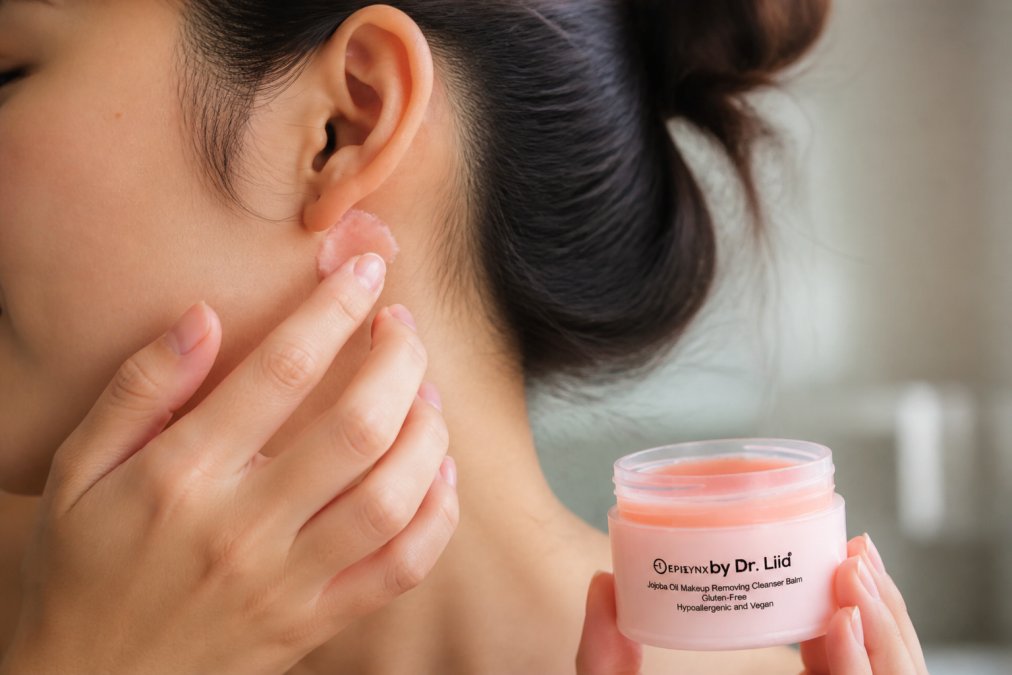
A patch test works by isolating the product on a small, inconspicuous area of skin where reactions are visible but won't affect your face. The inside of your elbow or behind your ear are ideal locations, thin-skinned areas that mirror facial sensitivity.
The patch test process:
- Apply a pearl-sized amount of the product behind your ear or on your inner elbow
- Leave it undisturbed for 30 minutes minimum (ideally 24 hours)
- Watch for redness, itching, burning, swelling, or any irritation
- If no reaction occurs, the product is likely safe for your face
- If irritation develops, discontinue use immediately and rinse with cool water
This single step saves you from the frustration of a compromised skin barrier, which can take weeks to heal. When you have sensitive skin, prevention beats treatment every time.
Moisturizers and Barrier Repair for Reactive Skin
Your skin barrier is a lipid layer that holds moisture in and irritants out. When it's compromised, everything feels like an attack, even gentle products trigger redness and burning. Barrier repair moisturizers contain ceramides, hyaluronic acid, and soothing oils that restore this protective function.
The best moisturizers for reactive skin lock in hydration for extended periods. Many people with sensitive skin think they need lightweight formulas, but that's a misconception. A rich cream with the right ingredients hydrates more effectively than a thin lotion, especially for compromised barriers.
sheshedbeauty4U's Lightweight Face Moisturizer for Sensitive & Dry Skin ($42.00) combines borage seed oil, sea buckthorn oil, and neem oil. Hyaluronic acid binds water to your skin. The formula is formulated for eczema and rosacea-prone skin, making it ideal for extreme reactivity.
For those with very dry, stressed skin, the Rich Calming Cream for Dry, Stressed & Sensitive Skin ($32.00) delivers hemp oil, ceramides, and niacinamide, ingredients that strengthen barrier function while reducing inflammation. Hemp oil's lipid profile mirrors skin's natural oils, making it a powerful hydration tool. Niacinamide tightens pores and reduces sensitivity, while ceramides lock moisture into the epidermis.
Barrier repair takes time. Most people see improvement within 2-3 weeks of consistent use, but full restoration can take 4-6 weeks (peer-reviewed research). Patience and consistency matter more than switching products constantly.
Dermatologist Recommended Skincare for Sensitive Skin
Dermatologist-tested formulas provide a level of validation that matters for sensitive skin. These products have undergone clinical evaluation to confirm they won't trigger irritation in reactive individuals. When a formula carries this designation, it signals that hypoallergenic claims have been verified, not just marketing language.
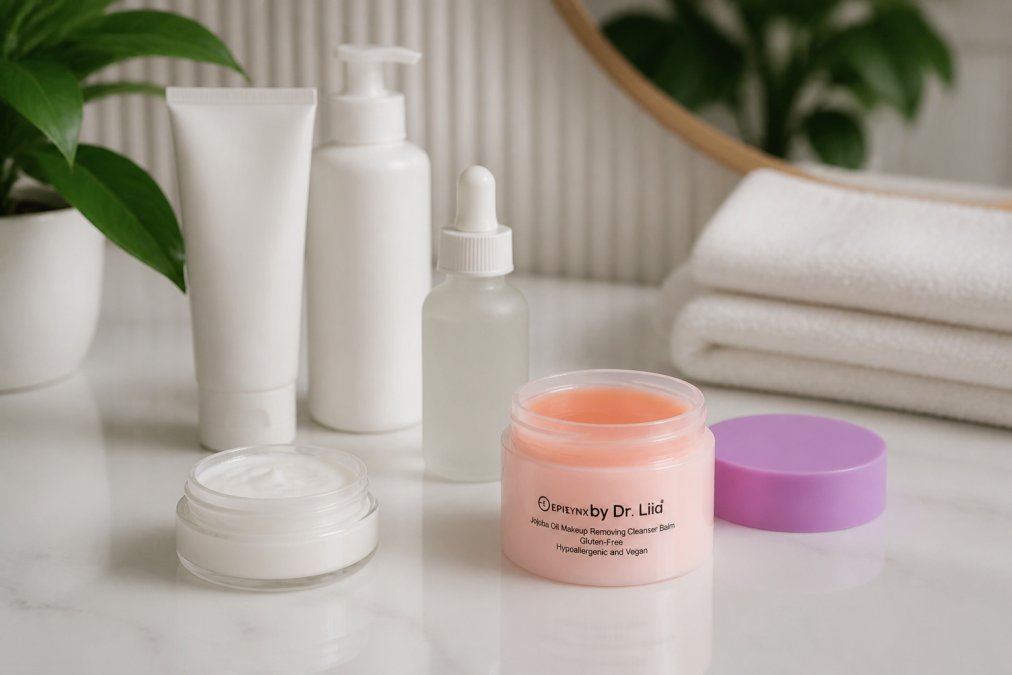
The ingredients dermatologists recommend for sensitive skin remain consistent: ceramides for barrier repair, hyaluronic acid for hydration, and soothing botanicals like aloe and chamomile for inflammation. Avoid fragrance (even "natural" fragrance), alcohol denat, and sulfates, these are known irritants that dermatologists universally recommend against.
sheshedbeauty4U's Super Nourishing Calming Face Cream for Extremely Dry & Sensitive Skin ($39.00) is hypoallergenic and formulated specifically for extreme reactivity. It contains hyaluronic acid, ceramides, and allantoin. The formula hydrates for up to 48 hours while restoring the skin's natural protective barrier.
For a serum-level treatment, the Ageless Hydrating & Firming Face Cream ($29.00) combines hyaluronic acid, niacinamide, and centella asiatica extract. This formula penetrates deeper than creams alone, delivering antioxidant protection and hydration to compromised skin.
When selecting dermatologist-recommended products, verify that the claim is backed by clinical testing, not just marketing. Look for ingredient lists that prioritize soothing agents and barrier-repair compounds over actives like retinol or acids, which can worsen sensitivity.
Hypoallergenic Makeup for Sensitive Skin
Makeup sits on your skin for hours, so formula matters intensely for sensitive individuals. Hypoallergenic makeup minimizes allergens and irritants while providing coverage and color. The best formulas use mineral pigments instead of synthetic dyes, which trigger reactions in reactive skin.
Mineral-based makeup is inherently less irritating because minerals don't penetrate pores or interact with skin chemistry the way synthetic ingredients do. Talc-free mineral formulas are ideal, talc can irritate sensitive skin and complicate skin conditions like rosacea.
Non-comedogenic makeup won't clog pores, which is critical for sensitive skin prone to congestion. Even if you don't have acne, pore-clogging formulas trap bacteria and irritants, triggering inflammation. Look for this designation on packaging.
sheshedbeauty4U's SPF 50 Mineral Moisturizer ($24.00) combines mineral sun protection with tinted coverage. Zinc oxide and titanium dioxide provide broad-spectrum UV defense without chemical filters, which can irritate sensitive skin. The formula includes glycerin and vitis vinifera leaf extract for hydration, so it functions as both sunscreen and light foundation. It reduces redness and fills fine lines while protecting your barrier from UV damage.
Makeup primers designed for sensitive skin create a buffer between your skin and pigments. Apply primer before foundation to reduce direct contact between makeup and your barrier. Remove makeup gently with a cleansing balm rather than harsh wipes, which can irritate reactive skin further.
Ingredients to Avoid and Environmental Triggers
Certain ingredients consistently trigger reactions in sensitive skin. Fragrance, both synthetic and "natural", is the leading culprit. Even fragrance labeled "fragrance-free" may contain masking fragrances that hide other scent compounds. Read ingredient lists carefully; if you see "fragrance," "parfum," or essential oils high on the list, skip the product.
Alcohol denat (denatured alcohol) strips skin and disrupts the barrier. It appears in many toners and essences marketed as "clarifying," but for sensitive skin, it causes more harm than good. Sulfates like sodium lauryl sulfate are common in cleansers and body products; they're effective at removing oil but too harsh for reactive skin.
Parabens, while generally recognized as safe, trigger reactions in some individuals. If you've had contact dermatitis to multiple products, paraben sensitivity may be worth testing. Formaldehyde releasers (like DMDM hydantoin) preserve products but can cause delayed reactions.
Beyond ingredients, environmental triggers matter. Temperature extremes, hot showers, cold wind, inflame sensitive skin. Pollution particles, chlorine, and hard water minerals all irritate reactive barriers. Indoor heating dries skin faster than you realize, worsening sensitivity.
| Ingredient/Trigger | Why It's Problematic | Alternative |
|---|---|---|
| Fragrance (synthetic or natural) | Disrupts barrier, causes contact dermatitis | Fragrance-free formulas |
| Alcohol denat | Strips oils, damages lipid barrier | Alcohol-free toners and essences |
| Sulfates (SLS, SLES) | Over-cleansing, barrier disruption | Gentle surfactants like cocamidopropyl betaine |
| Parabens | Potential allergen in sensitive individuals | Paraben-free preservatives |
| Hot water | Increases transepidermal water loss | Lukewarm water for cleansing |
| Harsh physical exfoliants | Micro-tears in compromised barrier | Chemical exfoliants (gentle) or none |
Environmental control is underrated. Use a humidifier in winter, wear protective clothing in extreme weather, and rinse after chlorinated water exposure. These simple steps prevent the daily irritation that compounds sensitivity over time.
Sun Protection for Sensitive Skin
Sun damage accelerates aging and worsens sensitivity. UV exposure triggers inflammation, redness, and hyperpigmentation, all problems sensitive skin already faces. Yet many sensitive-skin individuals avoid sunscreen because chemical filters irritate them further. Mineral sunscreen solves this problem.
Mineral sunscreens use zinc oxide or titanium dioxide as physical blockers. These sit on skin and reflect UV rays rather than absorbing them, making them less likely to trigger reactions. They're effective immediately upon application, whereas chemical filters require 15 minutes to activate.
The trade-off: mineral sunscreens can leave a white cast on skin. Modern formulations minimize this, but it's worth testing before committing. Tinted mineral sunscreens blend more seamlessly and provide light coverage.
sheshedbeauty4U's SPF 50 Mineral Moisturizer ($24.00) delivers broad-spectrum protection with hydration. Zinc oxide provides the primary defense, while glycerin and botanical extracts keep skin moisturized. This formula is fragrance-free and hypoallergenic, making it suitable for extreme sensitivity. Apply generously, most people under-apply sunscreen, reducing its effectiveness. Use a quarter-teaspoon for your face and neck, and reapply every two hours if outdoors.
Daily sun protection is the single most effective anti-aging strategy for sensitive skin. It prevents the inflammation and damage that make sensitivity worse over time. Consistent use of mineral sunscreen keeps your barrier intact and prevents the cascade of problems that reactive skin faces.
Finding the best beauty essentials for sensitive skin requires patience and a systematic approach. Start with a gentle cleanser and patch test every new product before full-face application. Layer in barrier-repair moisturizers, then add targeted treatments like serums or elixirs. Prioritize sun protection daily, it prevents the damage that compounds sensitivity.
At sheshedbeauty4U, our Radiant Beauty Essentials collection is built specifically for reactive skin. Each product is formulated without fragrance, sulfates, or common irritants. The Jojoba Oil Makeup Remover Balm, Gentle Hydrating Facial Cleanser, and SPF 50 Mineral Moisturizer work together to cleanse, hydrate, and protect without triggering inflammation. Start your routine with these essentials and build from there. Search our curated collection to find your next favorite sensitive-skin staple.
Frequently Asked Questions
What skincare ingredients should I avoid if I have sensitive skin?
Avoid fragrance, sulfates, alcohol, synthetic dyes, and essential oils, which commonly trigger inflammation and irritation. Look for paraben-free, fragrance-free formulas with ceramides, hyaluronic acid, and soothing botanical extracts instead. Patch test any new product for 30 minutes behind your ear or on your inner elbow before applying to your face.
How do I know if a beauty product is safe for sensitive skin?
Check for dermatologist-tested, hypoallergenic, and non-comedogenic labels. Review the ingredient list for known irritants and look for pH-balanced formulas that support your skin barrier. Products with ceramides, hyaluronic acid, and antioxidant-rich extracts are typically safer. Always perform a patch test first to confirm tolerance.
What's the best skincare routine for sensitive skin?
Start with a gentle, non-stripping cleanser, follow with a lightweight, hydrating moisturizer containing barrier-repair ingredients, and apply SPF 50 mineral sunscreen daily. Add a soothing serum with calming botanical extracts and use products that are fragrance-free and allergen-friendly. Consistency matters more than complexity; keep your routine simple and avoid frequent changes.
Is mineral-based makeup better for sensitive skin than traditional makeup?
Mineral-based makeup is often gentler because it uses non-comedogenic, hypoallergenic ingredients like zinc oxide and titanium dioxide, which are less likely to trigger reactions. Traditional makeup may contain synthetic dyes, fragrances, and preservatives that irritate reactive skin. However, individual tolerance varies, so patch test any product before full application.
This article was written using GrandRanker