
Why Choose Curated Beauty Over Mass Market Retailers
Table of Contents
- The Consumer Journey: Why Shoppers Are Switching to Curated Beauty
- Ingredient Transparency and High Performance Skincare Ingredients
- The Benefits of Independent Beauty Brands and Personalized Recommendations
- How to Build a Personalized Skincare Routine That Actually Works
- Cost-Per-Use vs. Price-Per-Unit: The Real Value Proposition
- Touch-and-Feel Experiences and Expert Beauty Advisors
- Sustainability, Ethics, and Community in Curated Beauty
- Conclusion
Last Updated: August 25, 2026
The Consumer Journey: Why Shoppers Are Switching to Curated Beauty
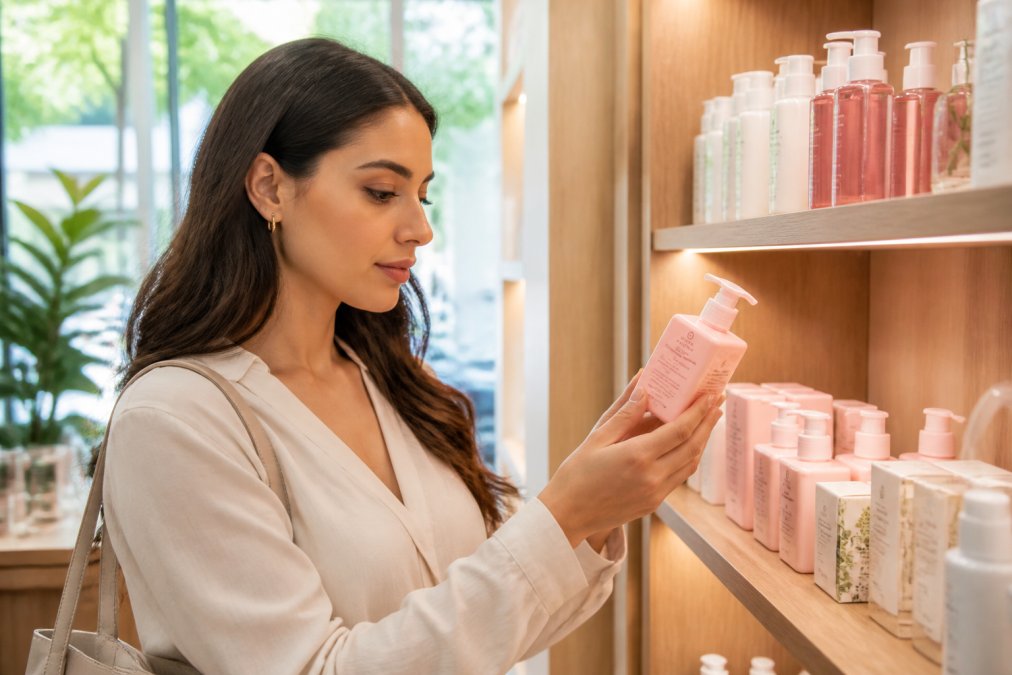
Beauty shopping has fundamentally changed. More consumers are choosing curated beauty retailers over mass market chains, and the shift isn't accidental. When you walk into a curated beauty destination, you're not browsing endless shelves of 10,000 SKUs. You're exploring a thoughtfully edited selection where every product has earned its place.
At sheshedbeauty4U, we've watched this transition accelerate over the past few years. Shoppers tell us the same thing repeatedly: mass market retailers overwhelm them with choice while offering minimal guidance. Curated beauty addresses that friction directly. The omnichannel consumer journey today demands both digital discovery and tactile evaluation, something mass retailers struggle to deliver cohesively.
The real difference lies in the consumer experience architecture. Mass market retailers optimize for volume and footfall. Curated beauty retailers optimize for discovery and confidence. When you shop curated beauty, you're not fighting through duplicative product lines from competing brands. You're engaging with a carefully selected range where ingredient transparency and brand philosophy are non-negotiable.
This distinction matters because it changes how you make purchasing decisions. You spend less time researching whether a product is worth trying and more time understanding whether it's right for your specific skin concerns. That efficiency translates into better outcomes and higher satisfaction rates.
Ingredient Transparency and High Performance Skincare Ingredients
Understanding what's actually in your skincare is non-negotiable. Mass market retailers rarely provide the depth of ingredient education that curated beauty platforms prioritize. When you're evaluating a cleanser or foundation, knowing the active ingredients and their functional purpose changes everything.
High performance skincare ingredients like hyaluronic acid, glycerin, and botanical extracts serve specific purposes. Hyaluronic acid draws moisture into the skin and helps maintain hydration throughout the day (peer-reviewed research). Glycerin acts as a humectant, binding water to the skin's outer layers (the FDA). These aren't marketing buzzwords, they're functional components with measurable effects on skin health.
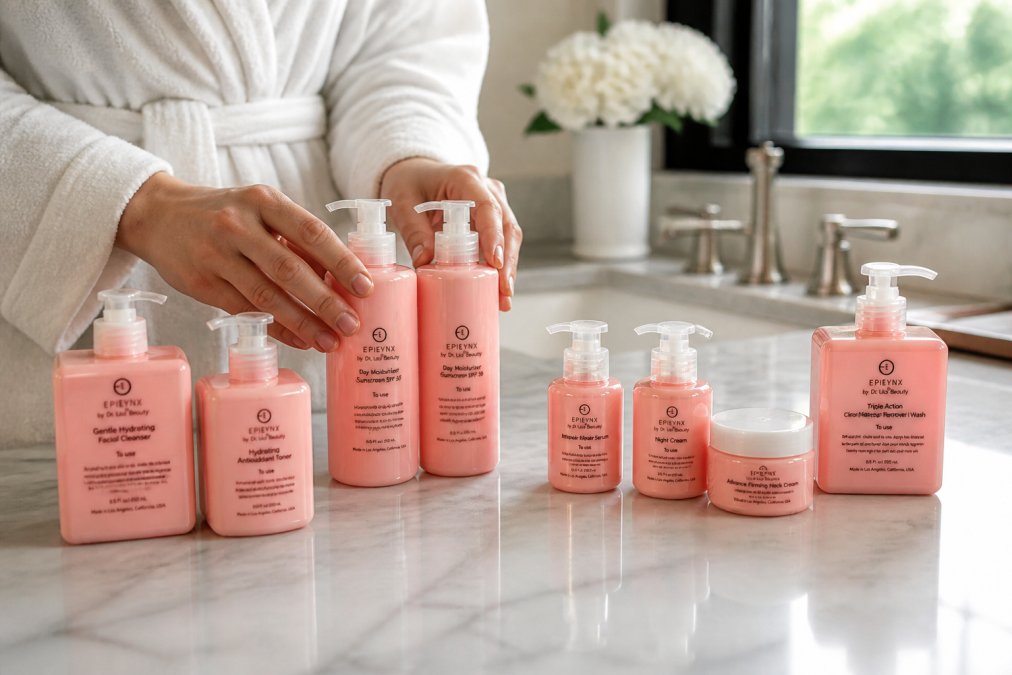
At sheshedbeauty4U, our Radiant Beauty Essentials lineup emphasizes this transparency. Take the Gentle Hydrating Facial Cleanser with aloe, cucumber, and antioxidants. Rather than burying ingredient information in fine print, we lead with what matters: this cleanser removes makeup and impurities without stripping your skin's natural moisture barrier. The aloe vera base soothes stressed skin, while cucumber seed oil and antioxidants work together to rejuvenate.

Curated retailers understand that ingredient education builds trust. When you know why a product contains specific components and how they benefit your skin type, you're making informed decisions rather than gambling. This transparency extends to what's NOT in the formula, many curated products exclude parabens, sulfates, and synthetic fragrances that mass market alternatives routinely include.
The performance difference compounds over time. A high-quality cleanser with the right ingredients for your skin type delivers better results than a generic alternative, even at higher price points. This is where the cost-per-use argument becomes relevant.
The Benefits of Independent Beauty Brands and Personalized Recommendations
Independent beauty brands drive innovation in ways that mass market retailers can't match. These smaller, founder-led companies obsess over formulation details because their reputation depends on it. They're not optimizing for shelf space or retailer margins, they're building loyal communities around products they genuinely believe in.
Personalized recommendations from curated retailers reflect this philosophy. Rather than algorithmic suggestions based on browsing history, you're getting recommendations from beauty advisors who understand your specific skin concerns. This human element matters tremendously when you're trying to build a skincare routine that actually works.
The relationship between indie brands and curated retailers creates a powerful dynamic. Independent brands get access to customers who actively seek quality and transparency. Curated retailers get exclusive products and direct relationships with founders who stand behind their formulations. This alignment benefits the consumer most of all.
Many indie brands offer benefits that mass market retailers ignore entirely (peer-reviewed research). Community building through social channels, post-purchase support, and genuine engagement with customer feedback create fandom that transcends typical retail relationships. You're not just buying a product, you're joining a community of people who share similar values around skincare and beauty.
Consider how this contrasts with mass market retail. Large chains stock hundreds of brands with minimal curation. Their beauty advisors often lack deep product knowledge. The shopping experience prioritizes transaction speed over customer education. Curated retailers flip this entirely.
How to Build a Personalized Skincare Routine That Actually Works
Building an effective skincare routine requires understanding your skin type and specific concerns. This process is where curated beauty delivers tangible value that mass market retailers can't replicate.
Start with honest assessment of your skin. Are you dealing with sensitivity, oiliness, dryness, or a combination? Do you have specific concerns like hyperpigmentation, acne, or premature aging signs? Your answers determine which products belong in your routine and which won't serve you.
The foundation of any routine is cleansing. This is non-negotiable. The Gentle Foaming Facial Cleanser from sheshedbeauty4U works for oily, combination, sensitive, and blemish-prone skin types. It removes oil and makeup without drying, using foaming apple and ashwagandha to gently address dead skin cells. Use this morning and night before applying other products.

After cleansing, apply targeted treatments. If you're addressing dryness or sensitivity, a hydrating serum with hyaluronic acid should follow. If you're managing oiliness or acne, look for products with green tea extract or ashwagandha, which help regulate sebum production and reduce inflammation.
Foundation and concealer come next if makeup is part of your routine. The Breathable Full-Coverage Foundation with SPF 15 provides hydration and sun protection while evening out skin tone. With 25 buildable shades and hyaluronic acid in the formula, it works for all skin types without feeling heavy. The Luminous Foundation & Concealer Duo offers mineral SPF and glycerin for additional moisture retention.
The critical difference between curated and mass market approaches emerges here. Curated retailers help you understand why each step matters and how products work together. Mass retailers assume you'll figure it out yourself or rely on marketing claims that oversimplify the science.
Consistency matters more than complexity. A simple routine with high-performance products beats an elaborate routine with mediocre ones. Most people succeed with: cleanser, targeted treatment, moisturizer, and SPF during the day. That's it. Curated beauty platforms help you select products that genuinely address your concerns rather than suggesting you buy everything available.
Cost-Per-Use vs. Price-Per-Unit: The Real Value Proposition
This is where many shoppers make their biggest mistake. They compare price-per-unit without considering cost-per-use. A product that costs more upfront but lasts longer and delivers better results is actually cheaper over time.
Consider a high-quality cleanser priced at $19 versus a mass market alternative at $8. The curated option is 2.4 times more expensive per unit. But if it lasts twice as long because the formula is more concentrated, and you actually use it because it works better for your skin, the cost-per-use drops significantly. You're paying roughly the same amount while getting superior results.
This math applies across your entire routine. A foundation with better staying power, skin-improving ingredients, and accurate shade matching might cost more per bottle but requires less product per application. You're not replacing it as frequently because it doesn't break you out or settle into fine lines.

The real value proposition of curated beauty emerges when you factor in the cost of wasted products. How many mass market purchases have you made that didn't work for your skin? Those purchases represent pure waste, money spent on products you never finished. Curated shopping reduces this waste dramatically because recommendations are personalized and informed by ingredient knowledge.
Additionally, curated retailers often provide better return policies and customer support. If a product doesn't work as expected, you can return it without hassle. This safety net reduces the financial risk of trying new products, making higher-quality options more accessible.
The ingredient transparency we discussed earlier also affects cost-per-use. Products with better formulations require smaller amounts to be effective. You're not using more product to compensate for weak formulation. This efficiency compounds over months and years.
Touch-and-Feel Experiences and Expert Beauty Advisors
You cannot evaluate foundation shade or texture through a screen. You cannot assess whether a cleanser will irritate your skin by reading a product description. This is why the touch-and-feel experience matters so profoundly in beauty retail.
Curated beauty retailers understand this reality. Many operate physical locations or partner with showrooms where you can actually test products before purchasing. You can see how a foundation blends on your skin, feel the texture of a cleanser, and assess whether a formula works with your skin chemistry in real time.
Expert beauty advisors elevate this experience further. These aren't commission-driven sales associates trained to upsell. They're product specialists who understand formulation, skin biology, and how to match products to individual needs. A skilled beauty advisor can assess your skin type in minutes and recommend a routine that actually works for you.
This human expertise is irreplaceable. An advisor can explain why a product with a higher price tag delivers better value. They can identify potential conflicts between products you're considering. They can adjust recommendations based on your feedback in real time. Digital algorithms cannot replicate this level of personalization.
The physical retail experience also serves a discovery function. Browsing curated selections exposes you to indie brands and innovative products you might never find on mass market shelves. You discover new favorites through tactile exploration and expert guidance. This discovery process builds the fandom and community loyalty that mass retailers struggle to create.
For busy professionals seeking effortless style and effective beauty routines, this experience matters tremendously. You're not spending hours researching products online. You're spending focused time with an expert who understands your needs and can recommend solutions immediately.
Sustainability, Ethics, and Community in Curated Beauty
Modern beauty consumers care about where products come from and how they're made. Curated beauty retailers prioritize sustainability and ethical sourcing in ways that mass market chains typically cannot.
When you shop curated beauty, you're supporting brands that often control their supply chains directly. Founder-led indie brands frequently emphasize ethical ingredient sourcing, cruelty-free practices, and sustainable packaging. These commitments aren't marketing angles, they're core to how these brands operate.
Many curated products emphasize allergen-friendly and inclusive formulations. The products from sheshedbeauty4U, for example, are nut-free, gluten-free, vegan, and cruelty-free. These specifications matter for consumers with allergies, dietary restrictions, or ethical concerns. Mass market retailers rarely offer this level of specificity across their entire selection.
Sustainability extends to packaging and waste reduction. Curated brands often use recyclable or refillable packaging. They avoid excessive plastic and unnecessary components. This environmental consciousness reflects the values of their customer base and the founders who built these brands.
Community building represents another sustainability dimension. When you purchase from a curated retailer that emphasizes community, you're part of something larger than a transaction. Brands engage with customers through social channels, respond to feedback, and create spaces where people share skincare journeys and results. This community aspect increases product loyalty and reduces the likelihood of waste through returns or abandonment.
Post-purchase support distinguishes curated beauty retailers from mass market alternatives. Many indie brands and curated platforms offer skincare education, routine guidance, and customer service that extends beyond the initial sale. You can reach out with questions about how to use a product or whether it's right for your skin type. This support increases product success rates and customer satisfaction.
The ethical dimension also addresses ingredient transparency at a supply level. Curated retailers often know exactly where botanical ingredients come from, how they're harvested, and whether producers are fairly compensated. This traceability is rarely available in mass market retail.
The shift toward curated beauty reflects a fundamental change in how consumers evaluate and purchase skincare. You're no longer satisfied with generic products and minimal guidance. You want transparency, personalization, and products that actually work for your specific needs. At sheshedbeauty4U, we've built our entire platform around this reality. Our Radiant Beauty Essentials and curated selection eliminate the guesswork from beauty shopping. Start with our Gentle Foaming Facial Cleanser or Breathable Full-Coverage Foundation, products formulated with high-performance ingredients and transparent sourcing, and experience the difference that expert curation makes.
Frequently Asked Questions
What makes curated beauty retailers different from mass market options like Sephora or Ulta?
Curated beauty retailers focus on ingredient transparency, personalized recommendations from knowledgeable advisors, and carefully selected product lines rather than carrying thousands of brands. Mass market retailers prioritize volume and accessibility, which often means less expert guidance. Curated shops emphasize the consumer journey by understanding your skin type and concerns before recommending products, creating a more intentional shopping experience.
How do I know if a beauty product is right for my skin type?
Start by identifying your skin type (oily, dry, combination, or sensitive) and specific concerns like acne or hyperpigmentation. Curated beauty retailers provide personalized recommendations based on this information. Look for high performance skincare ingredients suited to your needs, for example, aloe vera and ashwagandha for sensitive skin, or green tea extract for oily skin. A good beauty advisor will guide you through ingredient lists and help you understand how each component benefits your specific skin.
Why are independent beauty brands gaining popularity over mass market giants?
Independent beauty brands offer several advantages: they often prioritize ingredient quality and transparency over profit margins, create products for underserved skin types and tones, and build genuine community with their customers. The benefits of independent beauty brands include authentic storytelling, sustainable practices, and personalized post-purchase support. Many consumers appreciate supporting smaller companies that align with their values around sustainability and ethical sourcing.
Is curated beauty more expensive than mass market beauty?
While individual products at curated retailers may have higher price tags, the real comparison is cost-per-use versus price-per-unit. A $29 foundation that lasts three months delivers better value than a $15 foundation that separates and requires constant reapplication. Curated beauty often emphasizes quality ingredients and longevity, meaning you use less product and see better results, ultimately saving money over time.
This article was written using GrandRanker