
Sephora Alternative for Niche Skincare Brands
Table of Contents
- Why Shoppers Are Looking Beyond Sephora for Niche Skincare
- Best Indie Skincare Brands 2025 and Where to Find Them
- How to Find Clean Beauty Skincare with Ethical Standards
- Curated Beauty Marketplaces vs. Sephora: Key Differences
- Budget-Friendly Options and DTC vs. Retailer Pricing
- Building Your Niche Skincare Routine: What to Start With
- Conclusion
Last Updated: August 16, 2026
Why Shoppers Are Looking Beyond Sephora for Niche Skincare
A growing number of consumers are moving away from traditional beauty retailers to find a Sephora alternative for niche skincare brands that better match their values and skin needs. The shift reflects a fundamental change in how people shop for skincare: instead of browsing a massive selection of mainstream brands, they're seeking out emerging indie beauty labels, direct-to-consumer skincare companies, and curated marketplaces that prioritize ingredient transparency and ethical sourcing.
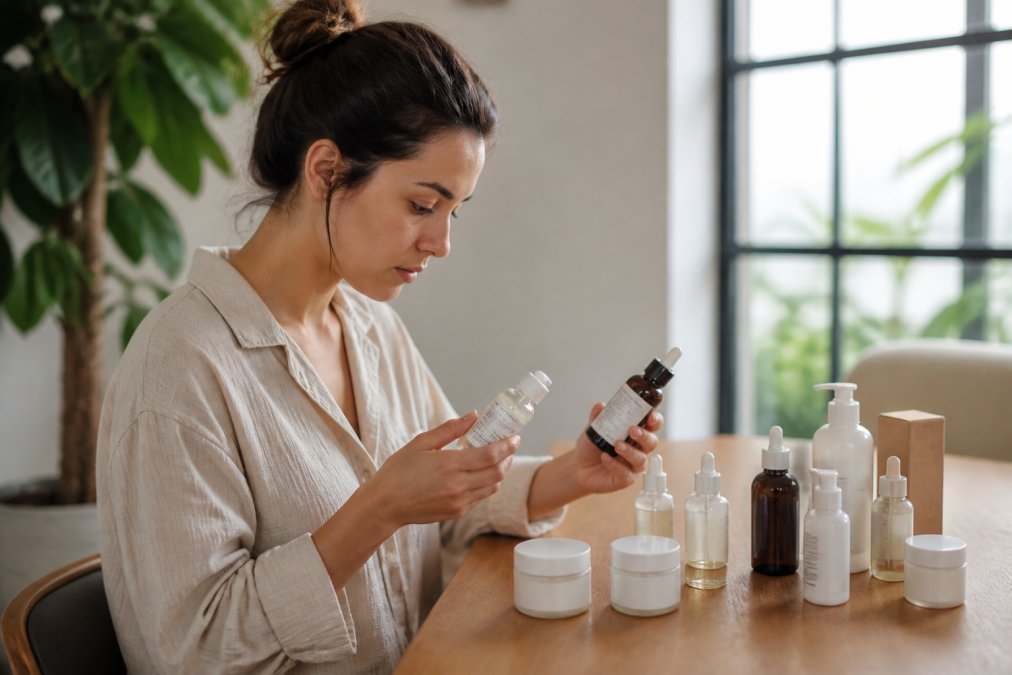
What's driving this change? Many shoppers feel overwhelmed by the sheer volume of products at major retailers. Others have experienced disappointment with mass-market formulations that don't address their specific skin concerns. There's also a growing desire to support independent brands and understand exactly what goes into the products people apply to their skin daily.
At sheshedbeauty4U, we've observed this trend firsthand. Our Radiant Beauty Essentials collection focuses on offering carefully selected skincare products that deliver real results without the corporate bloat. The shift toward niche skincare represents an opportunity to discover brands that actually listen to their customers and innovate based on real feedback rather than marketing budgets.
Best Indie Skincare Brands 2025 and Where to Find Them
Finding the best indie skincare brands 2025 requires knowing where to look beyond the conventional beauty retail landscape. Independent and emerging beauty labels now dominate conversations around ingredient innovation, sustainable packaging, and authentic customer engagement. These brands often start with a specific problem, sensitive skin, hormonal breakouts, barrier damage, and build their entire product line around solving it rather than chasing trends.
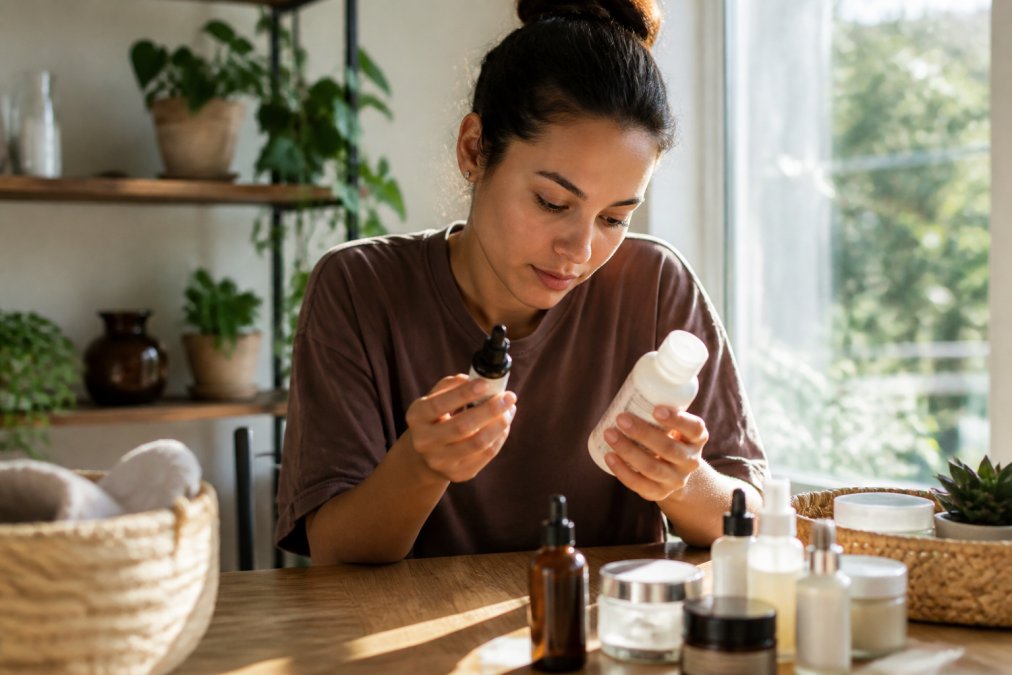
The best indie brands share a common trait: they're transparent about their formulation process. You'll find detailed ingredient lists, explanations of why each component was chosen, and honest discussions about what the product can and cannot do. Many indie brands also skip expensive celebrity endorsements and invest instead in education, community building, and product development.
Direct-to-consumer skincare companies represent a significant portion of this space. When a brand sells directly to customers rather than through retailers, they eliminate middleman markups and pass savings to you. More importantly, they control the entire customer experience, from education to post-purchase support. This model allows smaller brands to compete on quality and innovation rather than distribution power.
Direct-to-Consumer Skincare: Transparency and Pricing Benefits
Direct-to-consumer skincare fundamentally changes the relationship between brand and customer. When you buy from a DTC brand's website, you're getting the founder's vision without retailer interpretation or shelf-space compromises. The brand controls its narrative, its pricing, and its quality standards.
The pricing advantage is real but often misunderstood. While DTC brands may charge more per unit than mass-market alternatives, they typically offer superior formulations. The cost reflects ingredient quality, not marketing spend. Many consumers find that one bottle of a high-quality DTC serum delivers better results than three bottles of a cheaper alternative, making the actual cost-per-result lower.
Transparency is the second major benefit. A Sephora alternative for niche skincare brands typically provides detailed ingredient sourcing information, explains the science behind each component, and shares customer reviews that aren't filtered or curated by a retailer. You see real feedback, including what works and what doesn't, without corporate messaging layers.
::tip When evaluating a DTC skincare brand, look for specific information about active ingredient concentrations. Brands that hide percentages or use vague language like "natural extracts" are often cutting corners. Transparent brands will tell you exactly what percentage of niacinamide, hyaluronic acid, or other actives they're using. :::
Ingredient-First Filtering and Clean Beauty Verification
The ability to filter skincare by specific ingredients is one of the most valuable features of a Sephora alternative for niche skincare brands. Unlike traditional retailers where you browse by product type or brand name, many indie platforms let you search by what you're trying to accomplish.
Clean beauty means different things to different people. For some, it means avoiding synthetic chemicals. For others, it means no animal testing, vegan formulations, or sustainably sourced ingredients. A good marketplace helps you define what "clean" means to you, then filters products accordingly.
Many niche skincare brands go further by certifying their clean beauty claims. Look for third-party certifications like Leaping Bunny for cruelty-free status, USDA Organic for certified ingredients, or EWG verification for ingredient safety. These certifications matter because they're independently verified, the brand didn't just declare itself clean.
sheshedbeauty4U's Radiant Beauty Essentials include products like our Gentle Hydrating Facial Cleanser formulated with aloe, cucumber, and antioxidants, completely vegan, gluten-free, and allergen-friendly. Products like this demonstrate how indie brands often prioritize what goes into the formula over what goes into the marketing.

How to Find Clean Beauty Skincare with Ethical Standards
Finding clean beauty skincare that aligns with your ethical values requires understanding what you're actually looking for. "Clean" is an unregulated term in the beauty industry, so brands use it loosely. Ethical standards, however, can be verified through certifications and transparent supply chains.
Start by identifying your non-negotiables. Are you looking for cruelty-free products? Vegan formulations? Sustainably sourced ingredients? Minimal packaging waste? Products made by women-founded companies? Each of these criteria points you toward different brands and marketplaces.
A Sephora alternative for niche skincare brands typically excels at helping you filter by these values. Many curated platforms allow you to search by certification status, founder background, or sustainability practices. This level of filtering is rarely available at traditional retailers, where ethical considerations are often buried in fine print.
Sustainability and Supply Chain Transparency
Sustainability goes beyond eco-friendly packaging, though that matters too. It includes how ingredients are sourced, whether suppliers are fairly paid, whether production minimizes waste, and whether the company has a genuine commitment to environmental responsibility or just greenwashing.
Brands committed to sustainability often share detailed supply chain information. They'll tell you where their key ingredients come from, how they partner with suppliers, and what steps they take to minimize environmental impact. Some brands even trace individual ingredients back to specific farms or suppliers.
IDUN Minerals, available through sheshedbeauty4U, exemplifies this approach. Their Mineral Rich Day Cream is formulated with Swedish canola oil and comes in packaging made from renewable resources. This level of specificity, naming the country of origin and material composition, signals genuine commitment to sustainability rather than marketing language.
Trial Programs and Sample Availability
One advantage of shopping at a Sephora alternative for niche skincare brands is access to trial programs and sample sizes. Many indie brands offer starter kits, sample sets, or smaller sizes specifically designed to let customers test products before committing to full-size purchases.
This matters because niche skincare is often more potent than mass-market products. A high-concentration active ingredient serum might work beautifully for one person and cause irritation for another. Trial programs reduce the financial risk of discovering your skin's response to a new formulation.
Some of the best indie brands offer sample kits that include multiple products at a reduced price. This lets you build a complete routine without spending full price on products you might not keep. Direct-to-consumer brands especially tend to offer generous sample programs because they want to convert trial customers into loyal repeat buyers.
Curated Beauty Marketplaces vs. Sephora: Key Differences
The fundamental difference between curated beauty marketplaces and Sephora comes down to curation philosophy. Sephora stocks thousands of brands and products, prioritizing breadth and accessibility. Curated marketplaces deliberately limit their selection to brands that meet specific quality, ethics, or innovation criteria.
This difference affects your shopping experience in measurable ways. At a curated marketplace, you're less likely to encounter products that don't work. Every item has been vetted. You'll spend less time browsing and more time finding exactly what you need. The trade-off is that you have fewer total options, but the options you do have are typically higher quality.
Curated marketplaces also tend to offer better customer education. Because they carry fewer brands, they can provide deeper information about each one. You'll find detailed brand stories, ingredient explanations, and usage guides that help you make informed decisions rather than relying on packaging marketing.
Pricing at curated marketplaces varies. Some are more expensive than Sephora because they focus on premium indie brands. Others are competitive or even cheaper because they eliminate retail markups. The key is understanding what you're paying for, usually a combination of product quality, ethical standards, and curation expertise.
| Feature | Sephora | Curated Marketplace | Indie Brand DTC |
|---|---|---|---|
| Brand Selection | 500+ brands | 50-150 brands | Single brand |
| Ingredient Transparency | Variable | High | Very high |
| Price Range | Budget to luxury | Mostly mid to premium | Mid to premium |
| Trial Programs | Limited | Common | Very common |
| Ethical Filtering | Basic | Advanced | Complete control |
| Customer Education | Minimal | Extensive | Extensive |
| Return Policy | Generous | Varies | Often generous |
Budget-Friendly Options and DTC vs. Retailer Pricing
The assumption that indie and DTC skincare is always more expensive than traditional retailers isn't always accurate. While premium indie brands often command higher prices, many offer better value when you calculate results per dollar.
A Sephora alternative for niche skincare brands can include budget-conscious options. Many indie brands price competitively because they operate with lower overhead. When you remove retail markups, celebrity endorsement costs, and massive advertising budgets, you can offer quality products at reasonable prices.
Direct-to-consumer pricing typically reflects actual product cost plus modest markup. You're not paying for shelf space, retailer commissions, or middleman handling. This model allows DTC brands to either charge less than retailers or invest more in product quality at similar price points.
sheshedbeauty4U offers products across multiple price tiers. Our Gentle Foaming Facial Cleanser at $19.00 provides professional-grade cleansing without premium pricing. The difference is formulation priority, we invest in actives, not packaging or advertising.

When comparing prices between retailers and DTC brands, calculate cost-per-use. A $29 serum that lasts three months costs less per application than a $15 serum that runs out in six weeks. Many customers discover that switching to quality indie brands actually reduces their overall skincare spending despite higher per-unit prices.
Building Your Niche Skincare Routine: What to Start With
Starting a niche skincare routine doesn't require buying everything at once. The best approach is identifying your primary skin concern, then building a minimal routine that addresses it effectively.
Begin with a cleanser matched to your skin type. If you have sensitive or dry skin, our Gentle Hydrating Facial Cleanser with aloe and cucumber provides gentle cleansing without stripping your skin barrier. For oily or acne-prone skin, the Gentle Foaming Facial Cleanser with ashwagandha and green tea offers deeper cleansing while maintaining balance.
Next, add a treatment product targeting your specific concern. If dryness or sensitivity is your issue, a hydrating serum like our Lightweight Face Moisturizer for Sensitive & Dry Skin with borage seed oil and sea buckthorn provides intensive hydration and barrier support. For mature skin concerns, the Enriching Ageless Rejuvenate Face Serum with hyaluronic acid and niacinamide addresses fine lines while deeply hydrating.
Finally, add a moisturizer appropriate for your skin type. The Rosewater Facial Toner serves as both a hydrating step and a pore-minimizing treatment, making it versatile for most routines. For mature skin, the Ageless Hydrating & Firming Face Cream provides firming benefits alongside hydration.

A minimal routine of cleanser, treatment serum, and moisturizer is sufficient for most people. This approach lets you observe how your skin responds to quality ingredients before adding complexity. Many people discover they need far fewer products than they thought once they switch to high-efficacy formulations.
Looking for skincare that actually delivers results without compromise? sheshedbeauty4U's Radiant Beauty Essentials offer carefully selected products formulated with active ingredients, ethical sourcing, and transparent ingredient lists. Our collections prioritize your skin's health over marketing hype, with options for every skin type and concern. Start building your niche skincare routine with products designed to work, not just sell.
Clean beauty standards and ingredient transparency guidelines
Direct-to-consumer beauty market trends and consumer preferences
Sustainable packaging and ethical sourcing in beauty industry
Frequently Asked Questions
What are the main advantages of shopping at a Sephora alternative for niche skincare brands?
Niche skincare alternatives offer ingredient transparency, direct access to indie beauty brands, and curated selections based on skin concerns rather than just popularity. Many provide detailed ingredient lists, cruelty-free and vegan certifications, and customer reviews specific to your skin type. Direct-to-consumer options often feature lower prices since they skip traditional retail markups, and many offer sample programs so you can test products before committing to full sizes.
How do I verify that a niche skincare brand is legitimate and uses clean ingredients?
Check for third-party certifications like cruelty-free, vegan, or organic seals. Review the full ingredient list and cross-reference active ingredients with dermatology resources. Look for brands that openly share their formulation philosophy and sourcing practices. Read verified customer reviews on the brand's website and independent platforms. Legitimate indie brands typically provide detailed product descriptions, patch test recommendations, and transparent return policies. If a brand avoids listing ingredients or makes unsubstantiated claims, move on.
What is the difference between shopping direct-to-consumer versus curated beauty marketplaces?
Direct-to-consumer (DTC) skincare means buying straight from the brand's website, giving you the lowest prices and direct access to customer service. Curated beauty marketplaces like specialty retailers aggregate multiple indie brands in one place, offering convenience and curation but typically at higher prices. DTC sites let you control your entire routine from one brand, while marketplaces help you discover and compare products across many emerging labels. Both offer better ingredient transparency and niche selection than mass-market retailers.
Are there trial or sample programs available for niche skincare brands?
Many indie and emerging skincare brands offer sample kits, trial sizes, or starter sets at reduced prices. Some subscription boxes focus specifically on niche skincare and include samples monthly. Direct-to-consumer sites often bundle trial sizes with full-size purchases or sell affordable discovery sets. Check individual brand websites for sample availability before buying full sizes. This approach lets you test how a product works with your skin without the financial risk, especially important when investing in specialty formulations designed for specific concerns like sensitive or acne-prone skin.
This article was written using GrandRanker