
How to Find Clothes That Flatter Your Body Type
Table of Contents
- How to Measure Your Body for Clothing (The Right Way)
- Identifying Your Body Shape: The Five Main Types
- How to Find Clothes That Flatter Your Body Type: Fit and Tailoring First
- Best Clothing Styles for Apple Shape
- How to Dress for Inverted Triangle Shape
- Capsule Wardrobe Essentials for Every Body Type
- Choosing Necklines, Hemlines, and Silhouettes That Flatter Your Body Type
- Dressing for Your Body on Your Own Terms: A Note on Body Neutrality
Last Updated: August 9, 2026
How to Measure Your Body for Clothing (The Right Way)
Most women skip the measuring step entirely, then wonder why online purchases never fit. Accurate measurements are the foundation of every styling decision you'll make.
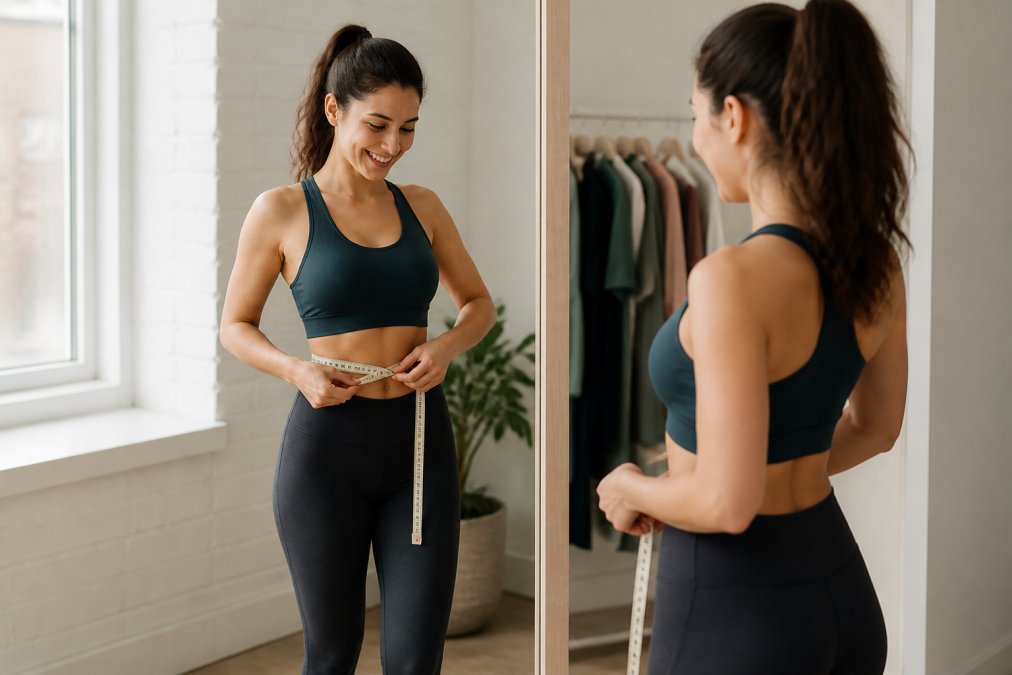
The Four Key Measurements You Need
Stand in fitted clothing or underwear and use a soft fabric measuring tape, keeping it parallel to the floor and snug but not tight.
- Bust: Measure around the fullest part of your chest.
- Waist: Find the narrowest point of your torso, usually an inch above your navel.
- Hips: Measure around the fullest part of your hips and seat, typically 7-9 inches below your natural waist.
- Shoulder width: Measure from the outer edge of one shoulder to the other across your upper back.
Write these numbers down for constant reference.
How to Read Your Hip-to-Waist Ratio
Your hip-to-waist ratio is the single most useful number for understanding your silhouette. Divide your waist measurement by your hip measurement. A ratio below 0.75 indicates a pronounced waist relative to hips (typical of hourglass and pear shapes). A ratio closer to 1.0 suggests a straighter, more rectangular silhouette.
This ratio tells you which garment structures will create visual balance. According to guidance from the American Board of Cosmetic Surgery on body proportions, understanding your natural body geometry is the starting point for any aesthetic decision.
Identifying Your Body Shape: The Five Main Types
Body shape identification categorizes your proportions into one of five primary silhouettes based on the relationship between your shoulders, waist, and hips. Once you know your shape, styling choices become significantly more deliberate.
Hourglass
Your bust and hip measurements are roughly equal, with your waist noticeably narrower, typically more than 9 inches smaller than both. Wrap dresses, belted styles, and fitted silhouettes work because they follow your natural curves.
Pear
Your hips are wider than your shoulders and bust. Draw attention upward with boat necklines, statement shoulders, and bold prints on top. Below the waist, A-line skirts and dark, tapered trousers create elongation.
Rectangle
Your shoulders, waist, and hips measure within a few inches of each other. Create the illusion of a waistline through peplum tops, wrap styles, and high-waisted bottoms.
Inverted Triangle
Your shoulders are noticeably wider than your hips. Balance the lower half with full skirts, wide-leg trousers, and hip-level details. Avoid shoulder pads and strong horizontal lines across the chest.
Apple
Weight distributes around the midsection with less-defined waistline. Use vertical lines, empire waists, and V-necklines to elongate the torso. Flowy fabrics that skim rather than cling create flattering silhouettes.
How to Find Clothes That Flatter Your Body Type: Fit and Tailoring First
The body type framework only works if clothes actually fit. A perfectly chosen A-line skirt that gaps at the waist will never flatter, regardless of how technically correct the choice is.
Buy for your largest measurement and tailor down. If a blazer fits your shoulders but pulls across the hips, size up and have the waist taken in. Learn which fit problems are fixable: a tailor can take in a waist, hem a skirt, or shorten sleeves. A tailor cannot add fabric where there isn't any.
| Fit Issue | Fixable? | Tailoring Solution |
|---|---|---|
| Waist too loose | Yes | Take in at side seams |
| Hem too long | Yes | Shorten to flattering length |
| Shoulders too wide | Rarely | Complex alteration, often costly |
| Bust too small | No | Size up, alter elsewhere |
| Hip area too tight | No | Size up, alter waist |
According to the American Tailors and Alterations Association's fit guidelines, the shoulder seam is the most critical fit point on any garment; if it's wrong, nothing else can compensate.
Best Clothing Styles for Apple Shape
The best clothing styles for an apple shape prioritize vertical lines, defined shoulders, and strategic draping around the midsection.
Necklines: V-necks and scoop necks draw the eye downward and elongate the torso. Avoid crew necks and high necklines, which cut the torso horizontally and add visual weight.
Tops and dresses: Empire-waist styles sit just below the bust, then flow away from the body. Wrap tops and dresses create a V-line while allowing fabric to skim the midsection. Avoid boxy, unstructured tops.
Bottoms: Straight-leg and bootcut trousers create a long, vertical line. High-waisted styles work well when paired with a tucked-in or belted top. A-line skirts that flare from the hip are particularly flattering.
Fabric choices: Medium-weight fabrics with structure, ponte, jersey, crepe, hold their shape and drape cleanly. Avoid very stiff or very clingy fabrics.
How to Dress for Inverted Triangle Shape
Dressing for an inverted triangle shape means redirecting visual weight toward the lower half to create balance between broader shoulders and narrower hips.
The core principle: add volume and visual interest below the waist; minimize structure and horizontal detail above it.
Tops and necklines: Avoid strong horizontal lines across the shoulders. Opt for V-necks, scoop necks, and halter styles that draw the eye inward and downward. Use soft, unstructured fabrics on top.
Bottoms: Full skirts, A-line hemlines, and wide-leg trousers add volume to the hip and thigh area, creating balance. Patterned or textured bottoms with plain tops reinforce this effect.
Avoid: Shoulder pads, structured blazers with strong lapels, heavily embellished tops, and very narrow, tapered trousers.
As noted in Vogue's guide to dressing for body proportions, the inverted triangle silhouette has the most flexibility in bottom choices.
Capsule Wardrobe Essentials for Every Body Type
A capsule wardrobe is a curated collection of versatile, high-quality pieces that work together across multiple outfits. The smartest strategy is to identify the 10-15 pieces that work for your specific proportions and invest in quality versions.
Universal capsule staples:
- A well-fitted blazer (structured for pear and rectangle; softer for apple and inverted triangle)
- High-waisted trousers in a neutral tone
- A wrap dress or wrap-style midi skirt
- A V-neck or scoop-neck top in a neutral color
- Dark, straight-leg or bootcut jeans
- A tailored sheath dress
- A lightweight cardigan or longline layer
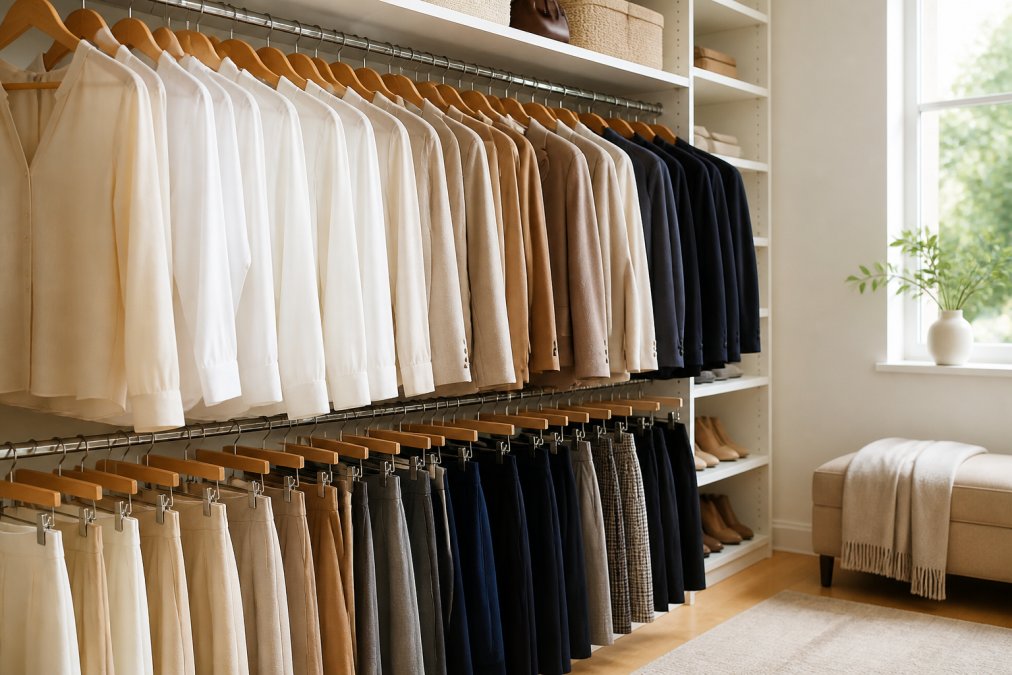
The sheshedbeauty4U Effortless Style Collection is built around this philosophy: versatile, quality pieces designed to transition from work to evening. When building a capsule wardrobe, the goal is fewer, better choices.
Choosing Necklines, Hemlines, and Silhouettes That Flatter Your Body Type
Necklines, hemlines, and silhouettes are the three structural levers that determine whether a garment flatters your body type or fights it.
Necklines by body type:
- Hourglass: Most necklines work. V-necks and sweetheart necklines highlight curves.
- Pear: Wide, horizontal necklines (boatneck, off-shoulder) add width to the upper body.
- Rectangle: Scoop necks and V-necks add the illusion of curves.
- Inverted triangle: V-necks, halters, and deep scoop necks narrow the visual width of the shoulders.
- Apple: V-necks and scoop necks elongate the torso.
Hemlines and visual balance:
Hemlines at the knee or just above are universally elongating. Midi hemlines work particularly well for pear and hourglass shapes, where they skim the hip curve without cutting the leg at an unflattering point.
Silhouette choices:
The A-line silhouette is the most universally flattering cut. It skims the waist and flares gently from the hip, creating the impression of a defined waist regardless of your actual proportions. According to research from the Fashion Institute of Technology on garment structure, the A-line works because it follows the natural downward taper of the body while adding controlled volume at the hem.
Dressing for Your Body on Your Own Terms: A Note on Body Neutrality
The goal of dressing well is not to make your body look like a different body. It's to wear clothes that make you feel confident and like yourself.
Body neutrality means choosing clothes because they feel good and work for your life, not because they "correct" perceived flaws. The body type framework is a tool for understanding proportion and fit, not a prescription for what you're allowed to wear.
If you love a crew neck and it makes you feel great, wear it. If wide-leg trousers feel like freedom, that's the right choice. What matters is fit, quality, and intention.
The National Eating Disorders Association's guidance on body image and fashion emphasizes that how we talk about bodies in the context of clothing has real psychological effects. Framing styling as "understanding your proportions" is accurate, useful, and genuinely helping.
Proportions shift over time, and what worked at 30 may need adjustment at 50. The same framework applies: measure, identify your current shape, and choose silhouettes that create the balance you want.
Knowing how to find clothes that flatter your body type is a skill that gets easier with practice. If you're ready to build a wardrobe that actually works for your body and your life, explore the sheshedbeauty4U Effortless Style Collection for curated pieces designed with fit, versatility, and real-life wearability in mind. Search our collection and find the essentials that belong in your wardrobe.
Frequently Asked Questions
How do I determine my body shape?
Take four measurements: bust, waist, hips, and shoulder width. Compare your shoulder width to your hip width, then check how defined your waist is relative to both. If shoulders and hips are roughly equal with a narrower waist, you're likely hourglass. If hips are wider than shoulders, that's a pear shape. If shoulders are broader, that's an inverted triangle. A similar shoulder-to-hip ratio with little waist definition points to a rectangle, while weight concentrated around the midsection suggests an apple shape.
What are the main body type categories for women?
The five most commonly referenced body types are hourglass, pear, apple, rectangle, and inverted triangle. Each describes a different pattern of body proportions, specifically how shoulder width, waist definition, and hip width relate to one another. These categories are starting points for understanding garment structure and silhouette, not rigid boxes. Many women fall between two types, and proportions naturally shift with age, weight changes, and life stages, so revisit your measurements periodically.
Does body shape change over time?
Yes. Hormonal shifts during pregnancy, menopause, and aging all affect where the body carries weight and how waist definition changes. Shoulder width tends to stay relatively stable, but hip-to-waist ratio and the distribution of visual weight across the torso can shift noticeably over decades. Reassessing your measurements every year or two, especially after significant life changes, helps ensure the clothing styles and silhouettes you choose still reflect your current body geometry rather than a shape from years ago.
How can I dress to look more proportional without following rigid rules?
Focus on creating visual balance between your shoulder width and hip width. If one area is broader, draw the eye toward the other using detail, color, or structure. A-line skirts add volume at the hem to balance wide shoulders. Structured shoulders balance wider hips. Defined waistlines on otherwise boxy garments add shape without restriction. Tailoring is the single most effective tool: a well-fitted garment in any silhouette will always look more proportional than a trendy piece that doesn't fit your body geometry.
This article was written using GrandRanker