
7 Nordstrom Alternatives for Curated Fashion Finds
Table of Contents
- Why Shoppers Are Moving Beyond Nordstrom for Curated Fashion Finds
- Curated Fashion Finds: A Quick Comparison of Top Alternatives
- Personalized Online Styling Services That Refresh Your Wardrobe
- Best Ethical Fashion Brands Online for Conscious Shoppers
- Start With Capsule Wardrobe Essentials for Women
- The AI Stylist vs. Human Curation: What Actually Works
- How to Spot Quality Curated Shops Online
- Your Next Step Toward a More Curated Closet
- Frequently Asked Questions
Last Updated: September 8, 2026
Why Shoppers Are Moving Beyond Nordstrom for Curated Fashion Finds
Department store shopping used to mean wandering endless racks hoping to stumble on something that fits your life. That model feels increasingly exhausting when you need a work-to-dinner outfit by Thursday. The real shift is toward intentional retail: fewer, better pieces selected for how they actually perform in a busy week.
Curated fashion finds solve a specific frustration. Instead of sorting through thousands of items, you get a tight, edited assortment that matches a clear style point of view. This guide from sheshedbeauty4U breaks down the strongest alternatives to the traditional department store, from personal styling services to ethical brands, so you can refresh your wardrobe without the overwhelm.
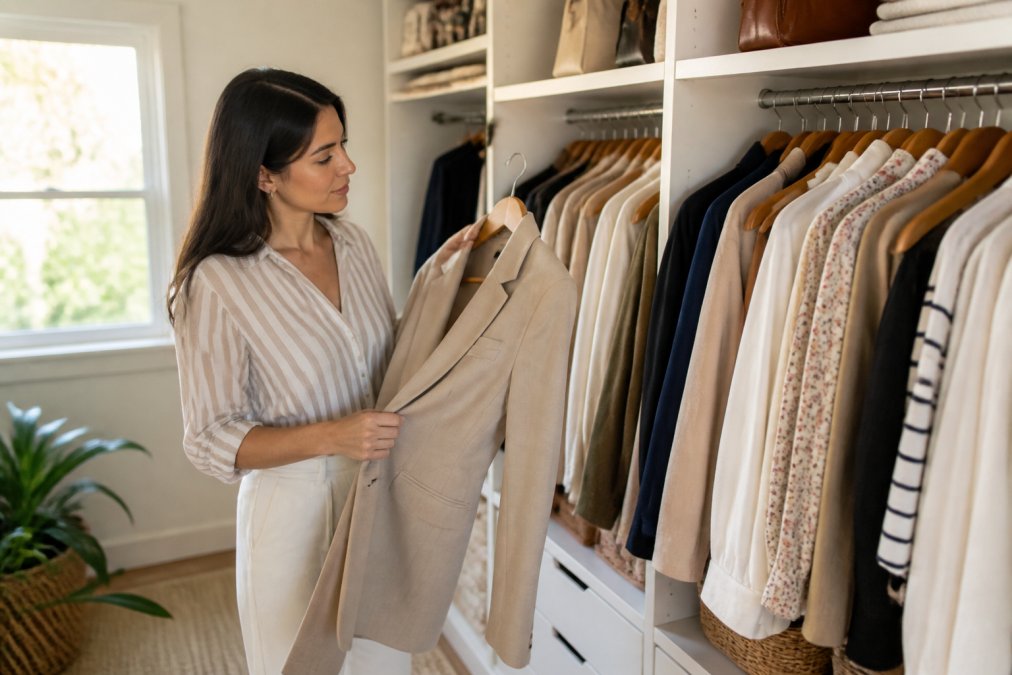
The appeal is practical. A curated approach cuts decision fatigue, a major blocker to enjoying retail therapy. When you shop a tight edit, you trust that someone has already filtered for quality, fit, and versatility.
Curated Fashion Finds: A Quick Comparison of Top Alternatives
Not every alternative serves the same purpose. The right choice depends on whether you need a full wardrobe refresh, a few ethical staples, or help putting outfits together. Here is how the main categories stack up.
| Option | Best For | Level of Effort | Price Range |
|---|---|---|---|
| Personalized styling services | Full wardrobe refresh with expert input | Low, you receive a styled box | Higher, styling fees often apply |
| Ethical fashion brands | Conscious shoppers building a values-driven closet | Medium, you shop their edit | Mid to high for premium quality |
| Capsule wardrobe collections | simplifying to versatile, classic basics | Medium, you select the pieces | Varies by brand |
| AI styling platforms | Quick recommendations on a budget | Very low, algorithm-driven | Low to mid |
| Curated boutiques | Unique, contemporary updates | Medium, you browse a tight edit | Mid to high |
A common mistake is assuming one channel does everything. The shopper who wants sustainable fashion choices will not find satisfaction in a fast-fashion subscription, just as someone craving a personal shopper experience may feel let down by a basic resale platform. Define the gap in your closet first, then match the service to it.
Personalized Online Styling Services That Refresh Your Wardrobe
Personalized online styling services are the closest digital equivalent to having a personal shopper on call. You complete a style profile, share your fit preferences and budget, and a stylist curates a selection shipped to your door. You keep what works and return the rest, which removes the risk from trying new silhouettes.
The quality of these services hinges on the intake questionnaire. Be specific about your lifestyle: how many days you need business casual, whether you walk or drive to work, and which fabrics irritate you. Vague answers produce vague boxes.
How the Process Works
Most styling services follow a similar five-step flow:
- Style Quiz: You answer questions about your body type, fit preferences, color palette, and lifestyle needs.
- Stylist Assignment: A human stylist reviews your profile and hand-picks items, typically 5-8 pieces per shipment.
- Try-On at Home: You receive a box with a suggested price breakdown. You have about 7 days to try everything on (the FTC).
- Keep and Return: You pay only for what you keep. Return shipping is prepaid; you drop the box at any UPS location.
- Feedback Loop: You rate each item. The stylist uses that feedback to refine the next shipment.
What the Pricing Really Looks Like
Styling services generally fall into two pricing models:
- Flat styling fee: You pay a non-refundable fee (typically $20-$40) for each box. This fee is often credited toward any item you keep.
- Subscription membership: You pay a monthly or quarterly fee that includes unlimited styling sessions and may include perks like free shipping or member-only discounts.
A common pattern is that the styling fee is waived if you keep all items in the box. Some services also offer a "preview" feature where you see your picks online before shipment and can swap items you already own or dislike.
The Trade-Offs Worth Knowing
The trade-off is cost. Styling fees can run higher than a typical shopping trip, though many services credit the fee toward pieces you keep. For busy professional women, that premium buys back hours and eliminates the frustration of a closet full of unworn items.
The hidden cost is time. You still need to try everything on, assess fit, and process returns. Most services make returns easy, but the cycle takes about two weeks from order to final decision. If you need an outfit for an event this weekend, a styling service will not help you.
Another trade-off is control. You are not browsing a full catalog; you are receiving a stylist's interpretation of your profile. If the stylist misreads your preferences, the box misses the mark. That is why the feedback loop matters so much.
How to Get the Most From Your First Box
- Be brutally honest in the quiz. Do not say you love heels if you live in sneakers. The stylist can only work with what you tell them.
- List your "never again" items. If you hate turtlenecks or stiff denim, say so explicitly.
- Request a specific stylist if you click with one. Many services let you build a relationship with a single stylist over time.
- Use the preview feature if available. Swapping out items before shipment saves everyone time.
Who Should Skip This Model
Styling services work best for people who want a full refresh or need help breaking out of a style rut. They are less ideal for shoppers who already know exactly what they want or who enjoy the hunt of browsing.
For those who want the human touch without the box format, some department stores and independent stylists offer virtual shopping sessions. You book a video call, share your budget and goals, and the stylist pulls items from their current inventory for you to review in real time. This model gives you more control while still providing expert guidance.
Best Ethical Fashion Brands Online for Conscious Shoppers
Shopping your values is no longer a niche pursuit. The best ethical fashion brands online prioritize transparent supply chains, sustainable materials, and fair labor practices, all while delivering contemporary updates you will actually want to wear.
The key distinction is between sustainability as a marketing label and sustainability as a business model. Look for brands that publish their factory lists, use certified organic or recycled fibers, and design for longevity rather than trend turnover. A capsule wardrobe built from these pieces costs more upfront but delivers a lower cost-per-wear over several years.
Fashion Revolution's Fashion Transparency Index ranks major brands on how openly they disclose their supply chain practices, which is a useful starting point for vetting claims.
Start With Capsule Wardrobe Essentials for Women
Capsule wardrobe essentials for women solve the "nothing to wear" problem by building a small collection of versatile pieces that mix and match effortlessly. The goal is roughly 30 to 40 items, including shoes and outerwear, that all coordinate. Every piece earns its place through fit, quality, and the ability to pair with at least three other items.
Start with the foundation: a well-cut blazer, a white button-down, dark straight-leg jeans, a knit midi skirt, and a quality leather belt. From there, add seasonal layers and one or two statement accessories. At sheshedbeauty4U, our Effortless Style Collection focuses on these versatile building blocks, like the Western Stuff Neck Scarf at $55.00, which transitions from a workday necktie to a weekend headband, and the Vintage Fashion Pilot Sunglasses at $30.00 for an instant contemporary update.


A common mistake is treating a capsule as a punishment. Restriction is not the point; clarity is. When every hanger holds something you love and wear, getting dressed takes minutes. The classic basics do the heavy lifting, and the accessories provide the personality.
The AI Stylist vs. Human Curation: What Actually Works
The styling world has split into two camps: algorithm-driven recommendations and human stylists who curate by hand. Both have strengths, but they solve different problems.
AI styling platforms excel at scale and speed. They process your style profile, analyze thousands of items, and generate outfit combinations in seconds. The best ones learn from your feedback, refining suggestions each time you reject or accept a pick.
Human curation brings context that algorithms still miss. A stylist notices that you favor softer fabrics, understands that your office runs cold, and catches the subtle difference between two nearly identical navy blazers. This bespoke service is why department store personal shopping programs still thrive despite the rise of e-commerce.
McKinsey's research on personalization in retail shows that retailers who excel at personalization generate significantly more revenue from their efforts, underscoring that tailored recommendations matter to shoppers.
How to Spot Quality Curated Shops Online
Not every shop that calls itself curated deserves the label. Some are simply small catalogs with a narrow inventory. A genuine curated shop has a point of view, and you should be able to articulate it after browsing for five minutes.
The Size-Inclusive Curation Gap
Most curation guides ignore a critical reality: a "curated" edit that only carries sizes XS through L is not curated for everyone. Plus-size and petite shoppers need the editing that curation provides, but they also need brands that actually fit their bodies. Mainstream styling services and boutique platforms often carry limited size runs, leaving these shoppers to piece together their own edits.
A quality curated shop signals size inclusivity in concrete ways:
- Extended size ranges: The collection runs from at least XXS through 3X or 4X, not just a token "plus" section with three items.
- Petite-specific cuts: Garments are proportioned for shorter torsos and inseams, not just shortened hems on standard patterns.
- Fit notes per item: Descriptions include which body types the piece flatters and where it runs large or small.
- Real models across sizes: Product photography shows the same garment on multiple body types, not just one sample size.
A Practical Vetting Checklist
Use this checklist when evaluating any shop that claims to curate:
1. Check the About page. A genuine curator explains their point of view. Look for language about who they select for and why. If the About page is generic or missing entirely, that is a red flag.
2. Count the SKUs. A curated shop should have a manageable edit. If you can scroll through the entire collection in under 15 minutes, that is a good sign. If the site has thousands of products across dozens of categories, it is a retailer, not a curator.
3. Read three product descriptions. Quality curation means the shop can articulate why each piece earned its place. Look for references to fabric weight, construction details, or styling versatility. Vague descriptions like "perfect for any occasion" signal lazy curation.
4. Look for a point of view in the photography. Consistent styling across product images, same model, same backdrop, same lighting, indicates a deliberate aesthetic. Random stock photos from different brands suggest aggregation, not curation.
5. Examine the return policy. A curated shop stands behind its picks. Look for free returns or at least a clear, simple process. Complicated return policies are a warning that the shop does not expect you to keep what you order.
6. Search for the shop's name plus "review" or "scam." Independent shops do not have the review volume of major retailers, but they should have some footprint. Check Trustpilot, the Better Business Bureau, and social media comments.
The Local Boutique Alternative
National chains and online platforms dominate the conversation, but some of the best curation happens in local boutiques. These shops buy for a specific community, so their edits reflect local climate, dress codes, and lifestyle patterns, a form of curation algorithms cannot replicate.
To find hidden gem boutiques in your area:
- Search for "boutique" plus your neighborhood or district name. Independent shops often optimize for local search terms.
- Check Instagram geotags. Boutiques frequently post new arrivals on social media before updating their websites.
- Ask at local dry cleaners or tailors. These businesses see what local shoppers actually wear and can point you to shops that match your style.
- Visit during off-peak hours. Weekday mornings are typically quiet, giving you time to talk with the owner or buyer about their selection process.
Signals That Curation Is Thoughtful, Not Arbitrary
A curated collection also extends to beauty. At sheshedbeauty4U, our Radiant Beauty Essentials are chosen for performance and skin compatibility, not just trend. The Rich Calming Cream at $35.00 and the Pore Refining Serum at $37.00 sit alongside wardrobe pieces because personal style includes how your skin looks and feels.

Red Flags That Should Send You Elsewhere
- "Curated" used as a buzzword with no explanation of who is doing the curating or what criteria they use.
- Endless product drops. Real curation means restraint. If the shop adds 50 new items every week, there is no edit happening.
- No size diversity. A shop that only carries straight sizes is excluding a significant portion of shoppers, regardless of how nice their picks are.
- No human behind the brand. If you cannot find a founder, buyer, or stylist name anywhere on the site, the "curation" is likely automated.
Your Next Step Toward a More Curated Closet
The thread running through every alternative is intentionality. Whether you hire a stylist, shop an ethical brand, or build a capsule, the goal is editing your life down to pieces that work. Start by identifying the specific frustration: too many unworn items, a lack of quality basics, or the fatigue of endless scrolling.
Building a curated wardrobe is a process, not a purchase. Expect to invest time in defining your style profile and to make a few mistakes before the edit feels right. The payoff is a closet where every piece earns its place.
Frequently Asked Questions
Who is Nordstrom's biggest competitor?
Nordstrom faces competition from several directions. Traditional rivals include high-end department stores like Saks Fifth Avenue and Neiman Marcus. However, for curated fashion finds, the biggest competitors are now online-first retailers and styling services. These platforms offer personalized online styling services with tailored recommendations, which many shoppers find more convenient than browsing a large department store. Ethical fashion brands online also pull shoppers away by offering transparency and sustainability that traditional retailers often lack.
What is the 3-3-3 rule for clothing?
The 3-3-3 rule is a shopping guideline to help you build a capsule wardrobe essentials for women. When you shop, pick three pieces that share a similar color story, three that offer versatile silhouettes you can dress up or down, and three that you genuinely love. This method prevents impulse buys and forces you to focus on how each item works with the rest of your closet. The result is a curated collection of classic basics and contemporary updates that mix easily.
Are there subscription services that offer curated fashion finds?
Yes, several subscription services deliver curated fashion finds directly to your door. These services typically have you fill out a style profile, then a stylist selects pieces based on your preferences and budget. You try everything at home and only pay for what you keep. This model is helpful if you are in a shopping rut or lack time to browse. It also introduces you to brands you might not find on your own, including smaller ethical and sustainable labels.
How do I find high-quality clothing without shopping at big department stores?
Start by defining what quality means to you: fabric weight, stitching, or brand ethics. Then look for online boutiques that specialize in a specific aesthetic, since they curate more carefully than big stores. Read reviews that mention fabric feel and durability. Check the return policy before you buy, since you cannot feel the item in person. Finally, build a capsule wardrobe essentials for women so you invest in versatile pieces rather than disposable trend items.
Building a more curated closet starts with choosing pieces that fit your real life, your values, and your aesthetic. sheshedbeauty4U brings together the Effortless Style Collection and Radiant Beauty Essentials in one inviting destination, so you can refresh your look without the department store overwhelm. Explore the collection and find your next favorite essentials with ease. Search the curated selection at sheshedbeauty4U to get started.