
Is Comfortable Professional Workwear Worth It Daily?
Table of Contents
- The Real Cost of Uncomfortable Professional Attire
- How to Build a Professional Capsule Wardrobe That Works
- Benefits of High-Quality Workwear: Comfort Meets Productivity
- The Best Comfortable Work Clothes for Women: Key Features to Look For
- Cost-Per-Wear: The Math That Justifies Comfortable Workwear
- Maintenance and Longevity: Keeping Your Workwear Looking New
- Sensory-Friendly and Hybrid Work Wardrobe Strategies
- Conclusion: Making the Investment in Daily Comfort
- Frequently Asked Questions
Last Updated: September 16, 2026
The Real Cost of Uncomfortable Professional Attire
Stiff collars, tight waistbands, and pinching shoes cost more than most women realize, in lost focus, shortened patience, and mental energy spent adjusting instead of working. This guide from sheshedbeauty4U examines whether comfortable workwear is worth it for daily use. The answer is a qualified yes: it pays off when you choose pieces built for both polish and physical comfort.
How to Build a Professional Capsule Wardrobe That Works
A professional capsule wardrobe is a small set of versatile, neutral pieces that mix and match into many complete outfits. The goal is fewer morning decisions and a consistent polished look without a closet full of rarely worn clothes. When every top pairs with every bottom, getting dressed takes minutes, and spending concentrates on the pieces you actually reach for, which makes the 'worth it' calculation work in your favor.
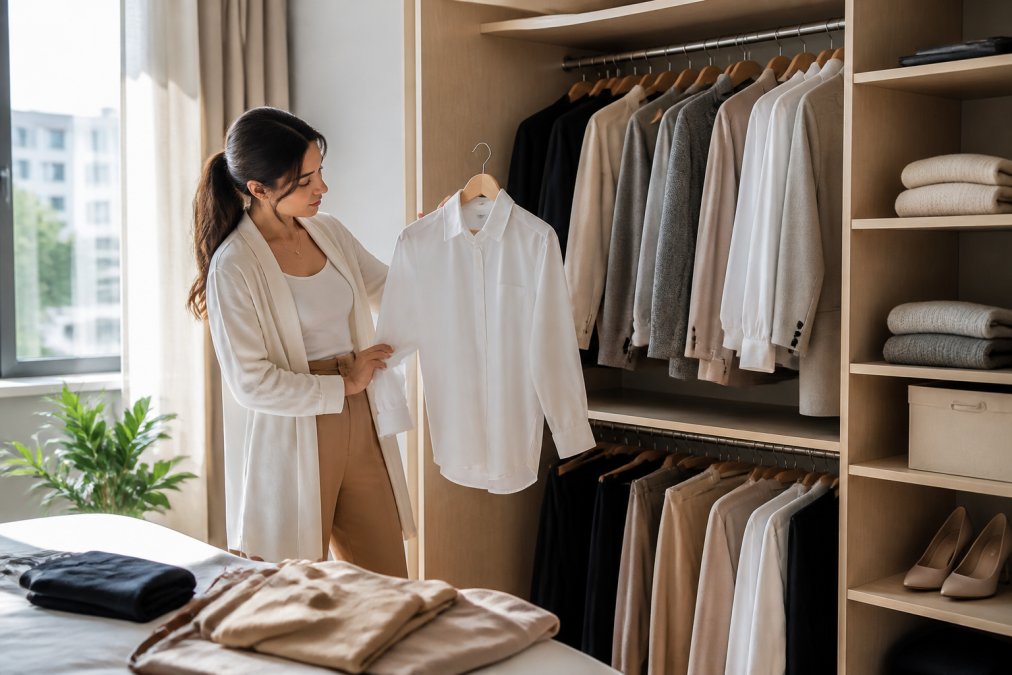
Start with these wardrobe essentials:
- Two or three button-front shirts in neutral tones
- One or two pairs of tailored trousers
- A structured blazer or cardigan
- One versatile tote that carries a laptop and daily essentials
- Comfortable flat or low-heel shoes in a neutral color
The Capsule Math That Makes the Investment Pay Off
A capsule only justifies its cost when each piece earns its place through repeat wear. Before buying, estimate how many times per month you will realistically wear the item, then divide the price by that number. A piece worn twice a week for a year delivers roughly 100 wears; one worn twice a month delivers about 24, the same price tag, very different value.
How Many Pieces You Actually Need
Most capsule guidance overshoots. A workable professional capsule for a five-day office schedule runs 25 to 35 items across tops, bottoms, layers, shoes, and one or two bags, enough to cover a full week without repeating an identical outfit, while small enough that every piece gets regular wear.
The Hybrid Layer
If your week splits between home and office, add one 'bridge' layer: a structured cardigan or knit blazer that reads polished on camera and feels like loungewear in person. It lets the same base outfit serve a video call and an in-person meeting without a full change.
Benefits of High-Quality Workwear: Comfort Meets Productivity
High-quality workwear improves productivity by removing the physical discomfort that drains focus. When clothing fits well and moves with you, you stop thinking about it, and that attention goes back into your work. Restrictive clothing forces constant micro-adjustments, tugging a hem, shifting a strap, easing a tight collar, and the cumulative effect is a distracted, restless workday.
The Best Comfortable Work Clothes for Women: Key Features to Look For
The best comfortable work clothes for women share four defining features: breathable materials, stretch fabrics, tailored construction, and a versatile neutral color palette. Prioritize these and you will rarely end up with a disappointing piece.
Here is what to check before buying:
- Fabric blend: Look for breathable materials with a small amount of stretch, which allows movement without losing shape.
- Tailored construction: A flattering fit that follows your silhouette beats a boxy cut that bunches or a tight cut that restricts.
- Wrinkle resistance: Easy-care fabric saves time and keeps you looking polished through a long day.
- Versatility: Neutral colors and clean lines let a single piece work across multiple settings.
- Footwear comfort: A cushioned footbed and flexible sole support hours of standing and walking.
Cost-Per-Wear: The Math That Justifies Comfortable Workwear
Cost-per-wear is a garment's price divided by the number of times you actually wear it. A $45 shirt worn twice a week for a year costs under a dollar per wear, far cheaper in practice than a $15 shirt that falls apart or stays in the closet.
| Purchase Type | Upfront Cost | Wears Per Year | Cost Per Wear | Notes |
|---|---|---|---|---|
| Low-cost shirt, rarely worn | Low | 10 | High | Sits in the closet |
| Low-cost shirt, wears out fast | Low | 15 | Moderate | Replaced within a season |
| Quality shirt, weekly wear | Moderate | 50+ | Low | Holds shape and color |
| Quality shirt, twice a week | Moderate | 100+ | Lowest | Best long-term value |
Consumer guidance on evaluating clothing quality and value
Maintenance and Longevity: Keeping Your Workwear Looking New
Garment maintenance separates a piece that lasts one season from one that lasts several. Proper care preserves fabric durability, color, and shape, keeping cost-per-wear low over time, and it determines whether a comfortable workwear purchase actually pays off.
Why Stretch Fabrics Wear Out (and How to Slow It)
Stretch fabrics fail predictably. The elastane or spandex fibers that provide stretch are the weakest part of the blend; heat, agitation, and chlorine break them down faster than the surrounding polyester or cotton, so a stretch shirt can lose its shape long before the fabric looks worn. Stretch therefore needs different care than plain cotton: hot water and high-heat drying are the biggest accelerants, so washing cold and air-drying preserves elasticity far longer than a warm wash and tumble dry.
A few habits make the biggest difference:
Simple Button Front Shirt, Elegant Long →
- Wash less often and spot-clean between wears when possible
- Follow the care label, especially for stretch fabrics and blends
- Air-dry garments to preserve shape and prevent heat damage
- Store tailored pieces on proper hangers to avoid creasing
- Rotate your pieces so no single garment takes all the wear
The Over-Washing Problem
Over-washing does more damage than wearing. Heat and agitation break down fibers, and each cycle strips surface finish that contributes to wrinkle resistance and color depth. A shirt worn twice between washes typically outlasts the same shirt washed after every wear.
Footwear Care
Footwear needs care too. Wiping shoes with a damp cloth and air-drying them, rather than machine washing, preserves color and shape. Machine washing breaks down the adhesives holding the sole to the upper, a common cause of premature separation.
Rotation and Storage
A daily rotation also helps: spreading wear across several pieces gives each garment time to recover and reduces strain on any single item, adding up to real savings over a year.
What Longevity Does to Cost-Per-Wear
The financial case is direct. If proper care extends a garment's life from one year to three, cost-per-wear drops by roughly two-thirds with no change in purchase price. That is what turns a higher-priced comfortable piece into the cheaper option over time, maintenance is not a side note to the 'worth it' question, it is the answer.
Sensory-Friendly and Hybrid Work Wardrobe Strategies
Choose pieces that work in more than one setting. A comfortable shirt paired with tailored trousers reads as business casual in the office and relaxed-smart at home, so one outfit serves two very different days.
A structured tote helps tie a hybrid wardrobe together. The XL Sarah Belt Tote Bag is crafted from pebbled leather with a suede interior and enough capacity for a laptop and gym gear, so it transitions from work to leisure without a second bag.

Guidance on workplace dress codes and professional standards
Conclusion: Making the Investment in Daily Comfort
Comfortable professional workwear is worth it for daily use when you choose pieces built for both polish and physical comfort. Cost-per-wear favors quality, the productivity gains are real, and the right fabrics and fits remove the daily friction that drains focus.
Frequently Asked Questions
Does comfortable workwear actually increase productivity?
Research on workplace comfort suggests that physical discomfort from restrictive clothing can distract focus and reduce overall output. When clothing fits well and allows natural movement, you spend less energy adjusting and more energy on tasks. Breathable materials and stretch fabrics help regulate body temperature, preventing the fatigue that comes from overheating or feeling constricted. The productivity gain is not just about feeling better; it is about removing small, constant irritants that add up over an eight-hour day.
How do you balance professional aesthetics with daily comfort?
The key is choosing pieces with tailored construction that still allow movement. Look for fabrics with stretch, like a polyester-spandex blend, which holds a polished shape without feeling rigid. A button-front shirt with a flattering fit can look sharp while remaining breathable and wrinkle-resistant. Pair structured tops with comfortable flat shoes or cushioned sneakers that still read as polished. The balance comes from prioritizing fit and fabric over stiffness.
What are the best fabrics for all-day professional wear?
Breathable materials like cotton blends, polyester-spandex mixes, and lightweight knits work well for long days. A 95% polyester and 5% spandex blend offers stretch flexibility, wrinkle resistance, and breathability, making it a practical choice for daily rotation. Avoid heavy, non-breathing fabrics that trap heat. For shoes, look for breathable mesh or cushioned footbeds. Fabric durability matters too; higher-quality textiles hold their shape after repeated wear and washing, so your professional image stays intact.
Is it worth spending more on high-quality work staples?
Yes, when you calculate cost-per-wear. A $44.99 button-front shirt worn twice a week for a year costs about $0.43 per wear. A cheaper alternative that loses shape after a few washes might cost less upfront but needs replacing sooner, driving the per-wear cost higher. Investment pieces in neutral colors also pair with more outfits, reducing the need for a large wardrobe. The long-term value comes from durability, versatility, and consistent polish.
How to build a capsule wardrobe for the office?
Start with a neutral color palette: black, navy, gray, and white. Choose versatile pieces like a button-front shirt, tailored trousers, and a comfortable flat or sneaker. Aim for items that transition from work to evening. A professional capsule wardrobe of 10 to 15 pieces can create over 30 outfits. Focus on fabric durability and wrinkle resistance so pieces stay office-ready. Add one or two statement accessories to refresh the rotation without buying more clothes.