
How to Find the Perfect Red Lipstick
Table of Contents
- Identify Your Skin Undertone
- Choose Between Blue-Based and Orange-Based Red Lipsticks
- Best Red Lipstick for Cool Undertones
- Match Red Lipstick to Your Skin Depth
- Select the Right Finish: Matte, Satin, or Gloss
- Red Lipstick Application Hacks for a Flawless Look
- Wear Red Lipstick with Confidence
- Frequently Asked Questions
Last Updated: October 3, 2026
Identify Your Skin Undertone
Finding the perfect red lipstick starts with understanding your skin's undertone. Your undertone determines which red shades will make you glow versus which ones will clash with your complexion.
There are three main undertone categories: cool, warm, and neutral. Cool undertones have hints of blue, pink, or red. Warm undertones lean toward yellow, peach, or golden hues. Neutral undertones blend both cool and warm elements equally.
A blue-based red lipstick looks stunning on cool undertones but muddy on warm skin; orange-based reds do the opposite. Getting this right transforms your red lipstick into a signature look.
The Vein Test
The vein test is one of the quickest ways to identify your undertone. Look at the veins on your inner wrist under natural light. Do they appear more blue or purple? That signals cool undertones. If your veins look more green or olive, you likely have warm undertones. Can't decide? You probably have neutral undertones.
Blood vessels beneath your skin reveal your true undertone, making this a reliable starting point.
The Jewelry Test
Another quick method is the jewelry test. Try on both gold and silver jewelry and notice which metal makes your skin appear brighter and healthier. Silver jewelry that flatters you suggests cool undertones. Gold jewelry that compliments your complexion indicates warm undertones. If both metals look equally good, you're likely neutral.
Many find this test easier because it's immediate, wear the metal for a few minutes and see which feels more natural.
Choose Between Blue-Based and Orange-Based Red Lipsticks
Red lipsticks come in two main color families: blue-based and orange-based.
Blue-based reds (true reds, blue reds, berry reds) complement cool undertones and create a classic, sophisticated jewel-tone or wine look.
Orange-based reds (brick reds, tomato reds, warm true reds) flatter warm undertones and feel vibrant, energetic, and approachable.
The key is matching your undertone to the red's base. Cool skin with a blue-based red creates harmony. Warm skin with an orange-based red does the same. When they clash, the lipstick can look off, no matter how beautiful the shade itself is.
Best Red Lipstick for Cool Undertones
If you have cool undertones, blue-based reds are your best friend. Look for shades with names like "true red," "berry red," "wine red," or "blue-toned red." These shades have violet or blue undertones that complement your natural coloring.
Cool undertones pair beautifully with matte and satin finishes in blue-based reds. Test options on your lip to see how they interact with your skin.
At sheshedbeauty4U, we recommend the MIJA Red Matte Liquid Lipstick for cool undertones. This vibrant, highly pigmented red has blue undertones that work beautifully on cooler complexions. The matte finish delivers a bold, confident look that lasts all day. One swipe gives you full color payoff, and the non-sticky formula feels comfortable.

Match Red Lipstick to Your Skin Depth
Your skin depth, how light or dark your complexion is, also matters. Matching your red lipstick to your skin depth ensures the color looks balanced and intentional rather than washed out or overwhelming.
Skin depth and undertone work together: depth determines the saturation and brightness level of red that harmonizes with your complexion.
Light Skin Depth
Light skin creates natural contrast with most reds, offering flexibility, but the wrong shade can look too pale or too orange.
Best shades for light skin:
- True reds (neither too blue nor too orange) with high saturation. These reds pop against light skin without looking artificial.
- Bright, cool-toned reds with blue or berry undertones. These create a jewel-like effect and make teeth appear whiter through color contrast.
- Muted or cool reds for daytime or professional settings.
Avoid: Pale or desaturated reds and muddy orange-reds on cool-toned light skin.
Finish consideration: Light skin can pull off any finish; matte reds look especially striking because the color appears more saturated.
Medium Skin Depth
Medium skin has the most flexibility in red lipstick choice. Match the red's undertone to your skin's undertone.
Best shades for medium skin:
- Warm orangey-reds if you have warm undertones. These create harmony and look natural.
- True reds work across most medium skin tones, especially if you have neutral undertones.
- Berry or wine reds for cool undertones. These look sophisticated and create a polished appearance.
- Brick reds (warm, earthy reds) for warm undertones. These feel approachable and less formal than true reds.
Finish consideration: Satin finishes are often the sweet spot for medium skin, providing color payoff without matte severity or gloss maintenance.
Deep Skin Depth
Deep skin tones can wear bold, rich reds that would overwhelm lighter skin, but pale or desaturated reds look less vibrant.
Best shades for deep skin:
- Rich, saturated reds with depth. Deep berry reds, wine reds, and burgundy-toned reds look luxurious and intentional.
- Warm, brick-toned reds that have earthy undertones. These complement warm-toned deep skin beautifully.
- Bright, true reds with high pigmentation. Deep skin can carry bright reds because the contrast is striking without looking jarring.
- Blue-based reds for cool undertones. These create a jewel-tone effect that's especially stunning on deep skin.
Avoid: Pale, washed-out, or desaturated reds, which look chalky against deep skin.
Finish consideration: Matte finishes look especially powerful on deep skin. Satin also works beautifully; gloss requires more frequent touch-ups.
Skin Depth and Lip Texture
Skin depth interacts with lip texture: deeper skin tones sometimes have natural variation in lip tone, which affects how color appears but doesn't prevent wearing red lipstick.
Matte or satin reds show lip texture more than gloss. For a more uniform appearance, use satin or gloss, or apply a lip primer before red.
Skin Depth and Aging Lips
Aging lips become thinner and develop fine lines, affecting how red lipstick appears, especially on deeper skin where contrast is already high.
For mature lips, satin or gloss is more flattering than matte. Apply hydrating lip balm before red, and use lip liner slightly inside the natural line for a softer look.
MIJA Red Matte Liquid Lipstick →
For mature lips with deeper skin, rich, saturated reds still work beautifully, but the finish and application technique matter more than the shade itself.
Select the Right Finish: Matte, Satin, or Gloss
The finish of your perfect red lipstick affects both how it looks and how it feels. Each finish has different properties and works better in different situations.
Matte finishes are opaque, bold, and long-wearing with maximum color payoff, but can feel drying if lips aren't well-moisturized first.
Satin finishes blend matte longevity with comfort and subtle sheen, working for everyday and evening.
Gloss finishes are lightweight and hydrating but require frequent touch-ups; they work best for daytime or casual settings.
For most people building their first perfect red lipstick collection, start with a matte or satin finish. These formulas last longer and require fewer touch-ups during a busy day.
Red Lipstick Application Hacks for a Flawless Look
Applying red lipstick correctly makes a huge difference in how polished and intentional your look appears. Even the best red lipstick formula needs proper technique to shine.
Use a Lip Liner for Precision
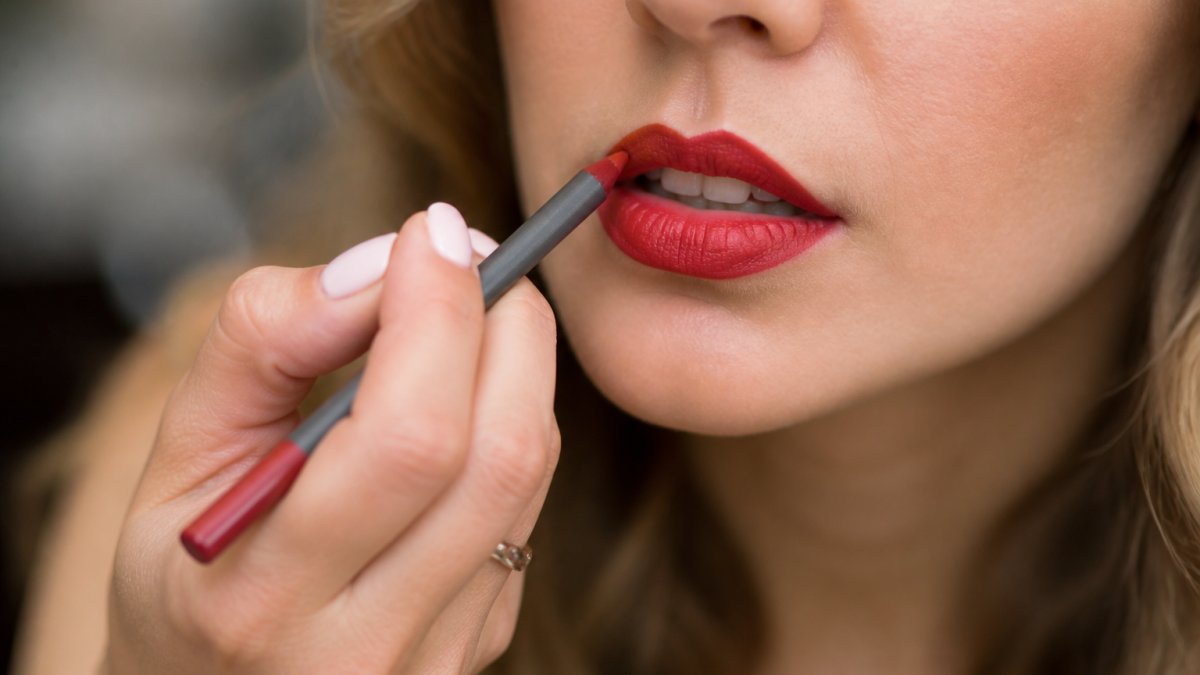
A lip liner is your secret weapon for a flawless red lipstick application. It defines your lip shape, prevents feathering, and gives you control over where the color goes.
Choose a lip liner matching your red lipstick or slightly deeper. Line carefully along your natural lip shape; the liner prevents feathering.
The LOVE/AMOR SET pairs a matte liquid lipstick with a waterproof lip liner in complementary shades. The waterproof formula ensures your liner stays put all day, and the precise applicator makes lining your lips simple and quick.

Build Color with Layers
Build color gradually with light layers: apply, blot, apply again for better payoff and even finish.
Blot for Longevity
After applying red lipstick, blot gently with a tissue to remove excess product and help the formula set.
Blotting is especially important with liquid lipsticks, helping the matte finish develop and extending wear time.
Wear Red Lipstick with Confidence
The perfect red lipstick only works if you feel confident wearing it. For many, the gap between choosing the right shade and wearing it daily is where the journey stalls.
Understanding the Confidence Barrier
Research shows bold lip color increases perceived confidence and authority, but only if you feel comfortable. The barrier is usually fear of being noticed or standing out, especially for first-time bold lip wearers.
Start in low-stakes settings: wear red at home, on casual errands, or during video calls. These micro-exposures normalize the feeling and show you others' reactions are almost always neutral or positive.
The Feathering and Texture Problem
One of the biggest confidence-killers is when red lipstick feathers, bleeds, or settles into fine lines on your lips. This isn't a failure of the product; it's a sign you need to address lip texture first.
If your lips are dry, flaky, or have visible texture, red lipstick will emphasize every imperfection. Before applying red, exfoliate your lips gently with a soft toothbrush or a lip scrub 2-3 times per week. Apply a hydrating lip balm 10-15 minutes before lipstick application, then blot away excess moisture so the balm doesn't interfere with color adhesion.
If feathering still occurs, it's usually because your lip liner isn't precise enough or your lipstick formula is too creamy for your lip texture. A waterproof lip liner applied slightly inside your natural lip line acts as a barrier. Matte or satin finishes are less prone to feathering than glosses because they have better grip on the lip surface.
Building a Red Lip Habit
Confidence grows through repetition. Commit to wearing red lipstick three times per week for two weeks. Track how you feel, what comments you receive (if any), and how the color performs throughout the day. After two weeks, most people report that red lipstick feels normal rather than bold.
Pair your red lipstick with a consistent lip liner and a blotting tissue in your bag. Having the tools ready removes friction from the decision to wear red. The ritual of application, lining, layering, blotting, becomes meditative rather than stressful.
Lighting Changes Everything
Red lipstick looks dramatically different depending on where you are. This is one of the biggest sources of confidence doubt, and it's completely normal.
Natural daylight shows the truest color of your red lipstick. This is the reference point. If your red looks good in natural light, trust that choice.
Fluorescent office lighting (common in workplaces) tends to make blue-based reds look cooler and slightly more purple, while orange-based reds can appear more yellow or peachy.
Warm indoor lighting (incandescent bulbs, table lamps) makes reds appear warmer and slightly deeper. Evening events with warm lighting often make red lipstick look richer and more luxurious than it does in daylight.
Cool LED lighting (increasingly common in modern offices and retail) can make reds look slightly cooler and sometimes more blue-toned.
Don't judge your red lipstick choice under a single lighting condition. Step outside or near a window to see the shade in natural light. This is your true reference.
Frequently Asked Questions
How do I know if I have cool or warm undertones for lipstick?
Check your veins: blue or purple veins indicate cool undertones, while green veins suggest warm undertones. You can also wear silver and gold jewelry side by side, whichever looks better against your skin is your undertone. Cool undertones pair beautifully with blue-based reds, while warm undertones suit orange-based reds. Neutral undertones can wear either shade comfortably.
What is the difference between blue-based and orange-based red lipstick?
Blue-based reds have cooler, more purple or berry tones and flatter cool undertones. Orange-based reds lean toward brick, tomato, or warm cherry tones and complement warm undertones. The MIJA Red Matte Liquid Lipstick delivers a vibrant true red. Testing both types on your wrist helps you see which feels more flattering before purchasing.
How do I apply red lipstick perfectly without it looking messy?
Start with a lip liner in a matching shade to define your lip border and prevent feathering. Apply lipstick from the center outward, building coverage gradually. Blot with a tissue, then reapply for longevity. The LOVE/AMOR SET includes a waterproof lip liner in Maraschino that pairs perfectly with red shades, making precision application effortless and ensuring all-day wear.
Does red lipstick make you look older or younger?
Red lipstick can flatter any age when chosen correctly. Matte finishes create a bold, sophisticated look, while satin and glossy finishes feel more youthful and modern. The key is selecting a shade that complements your undertone and skin depth. Pairing red lipstick with a polished beauty routine and confident attitude enhances your overall appearance regardless of age.