
Glowing Skin Diet Plan: 30-Day Results Guide
Table of Contents
- What to Expect: Realistic Results After 1 Month
- Foods for Glowing Skin: Your 30-Day Foundation
- Your 7-Day Diet Plan for Glowing Skin (Repeatable Framework)
- Hydration and Skin Appearance: The Water-Rich Foods Strategy
- Track Your Progress: Measurable Ways to Monitor Skin Changes
- Foods to Limit and When Diet Alone Isn't Enough
- Personalize Your Plan: Adapting for Your Skin Type and Dietary Needs
- Frequently Asked Questions
Last Updated: October 4, 2026
What to Expect: Realistic Results After 1 Month
A glowing skin diet plan shows results within 2-3 weeks, though timing depends on your starting point, skin type, genetics, and adherence level.
Week-by-Week Realistic Timeline
Week 1-2: Hydration and Internal Adjustment Your skin adjusts to new nutrients and increased water intake. Hydration improves first because water-rich foods and consistent fluid intake begin plumping skin cells within days.
Week 3: Texture and Tone Refinement Consistent nutrient intake begins showing on the surface. Antioxidants reduce inflammation and omega-3 fats support the skin barrier. Texture smooths, redness decreases, and blemishes heal faster.
Week 4: Noticeable Glow and Clarity By day 28-30, skin tone evens out, blemishes fade, and a genuine glow emerges. Skin appears brighter, breakouts reduce, and puffiness decreases. Changes are obvious to you and often to others.
Why Results Vary: Key Factors
Starting point matters. Clear skin shows subtle changes (increased radiance, smoother texture). Active acne, redness, or dryness show more dramatic improvement because you're addressing root causes.
Genetics and skin type affect pace. Oily skin improves faster as antioxidants reduce inflammation. Dry skin improves as healthy fats rebuild the barrier.
Adherence is non-negotiable. Your skin reflects cumulative eating patterns. Most visible results come from 80-90% adherence over 30 days.
Hormonal cycles affect timing. Women may notice breakouts worsen before menstruation, even on a clean diet. Hormonal acne improves over time, though hormonal fluctuations still occur.
What Diet Can and Cannot Do
Diet reliably improves:
- General skin radiance and glow
- Hydration and plumpness
- Texture smoothness
- Mild to moderate inflammation-driven redness
- Mild acne triggered by poor nutrition or dehydration
- Skin tone evenness
- Energy and sleep quality (which indirectly supports skin)
Diet does not reliably treat:
- Severe cystic acne (often hormonal or bacterial; requires medical treatment)
- Eczema, psoriasis, or rosacea (autoimmune conditions; diet helps but doesn't cure)
- Deep wrinkles or loss of elasticity (requires collagen-building treatments or professional care)
- Hyperpigmentation or melasma (requires topical or professional treatments)
- Skin infections or fungal conditions (requires medical intervention)
Tracking Realistic Expectations
To stay motivated and realistic, track specific markers weekly:
- Redness: Count visible red areas or rate on a 1-10 scale
- Active blemishes: Count breakouts
- Texture: Feel your skin; rate roughness or smoothness
- Radiance: Rate glow on a 1-10 scale
- Tone evenness: Assess color uniformity
Take baseline photos on day 1 in natural light (front, side, close-up). Repeat weekly under the same conditions. Most people see measurable improvement by day 21; by day 30, changes are obvious when you compare photos side-by-side.
Remember: diet is one variable. Sleep, stress, skincare routine, sun exposure, and genetics also influence results. A glowing skin diet plan works best as part of a holistic approach, not as a standalone cure.
Foods for Glowing Skin: Your 30-Day Foundation
The right foods deliver nutrients your skin needs. At sheshedbeauty4U, we focus on what nourishes healthy skin from the inside.
Antioxidant-Rich Fruits and Vegetables
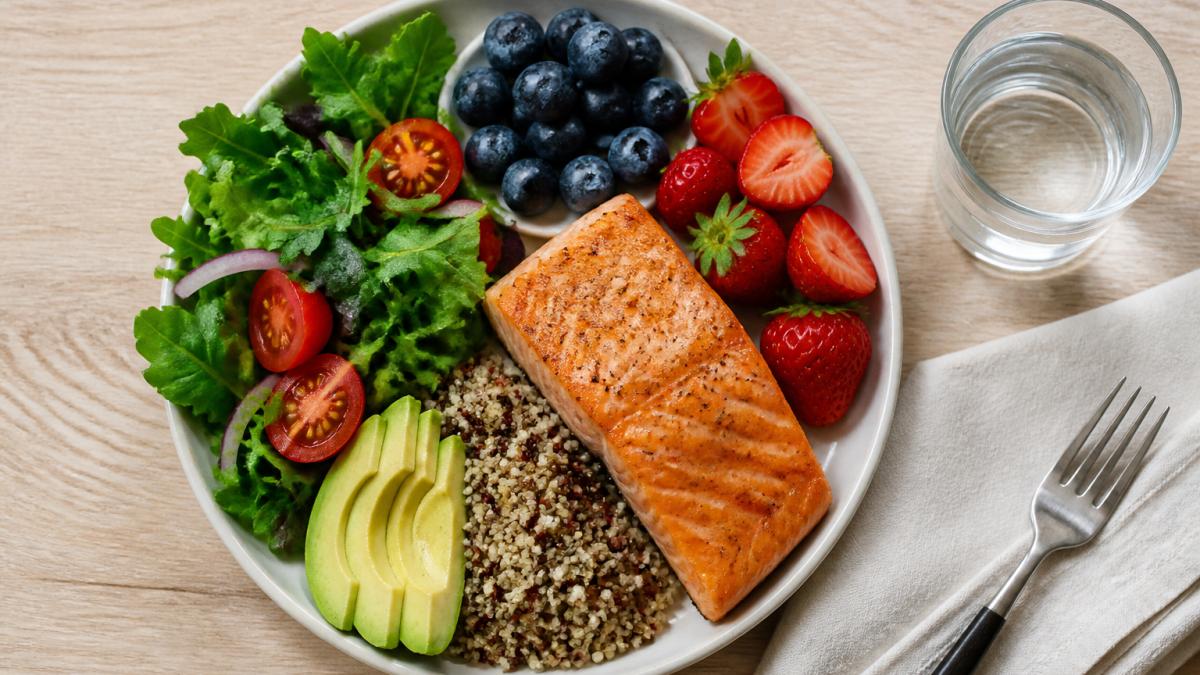
Antioxidants reduce inflammation and support a radiant complexion. Load your plate with berries, leafy greens, sweet potatoes, tomatoes, carrots, and bell peppers. Eat colorful vegetables at every meal, deeper colors contain more antioxidants. Aim for at least two servings of berries or leafy greens daily.
Healthy Fats and Omega-3 Sources
Healthy fats maintain your skin barrier and reduce inflammation. Top sources: fatty fish (2-3 times weekly), walnuts, flaxseeds, avocado, olive oil, and chia seeds. Include one omega-3 source at lunch or dinner most days.
Nutrient-Dense Proteins and Whole Foods
Protein builds collagen and keeps skin firm. Choose lentils, chickpeas, Greek yogurt, eggs, chicken, turkey, quinoa, and nuts. Build meals around whole foods and skip sugary snacks and refined carbs, which spike blood sugar and trigger inflammation.
Your 7-Day Diet Plan for Glowing Skin (Repeatable Framework)
This repeatable 7-day framework is designed to be sustainable and simple. You'll repeat this cycle four times over 30 days. The key to visible results is consistency, not perfection, and a plan that fits your life is one you'll actually follow.
The 7-Day Repeatable Cycle
Day 1-3: Establishing Your Baseline
Remove processed foods and added sugars. You might feel slightly tired or experience mild headaches, this is normal and passes by day 3. Focus on whole foods and drink water with every meal. Sample meals: oatmeal with berries and walnuts; grilled chicken with spinach salad and sweet potato; baked salmon with broccoli and quinoa.
Day 4-7: Building Consistency
By day 4, you've established the habit. Energy returns and cravings fade. Sample meals: spinach smoothies with berries; chickpea salads; baked mackerel with roasted vegetables; lentil curry; turkey stir-fry. Drink 8 glasses of water daily.
Sustaining the Plan Across 30 Days: Practical Strategies
Repeat the 7-day cycle four times over 30 days. Consistency matters more than perfection.
Shopping and Meal Prep Tips
Meal prep strategy: Sunday: cook brown rice and quinoa, roast vegetables, and grill chicken breasts.
Substitutions for Dietary Needs
No fish: Use walnuts, flaxseeds, chia seeds, lentils, and chickpeas for omega-3s and protein.
Vegetarian: Replace meat with lentils, chickpeas, tofu, tempeh, or Greek yogurt. Eat eggs 3-4 times weekly.
Vegan: Use legumes, nuts, seeds, whole grains, and fortified plant milks.
Nut allergy: Use seeds, tahini, avocado, and olive oil for healthy fats.
Budget-conscious: Buy frozen berries and vegetables, eggs, canned lentils, and bulk oats.
Managing Cravings and Social Eating
You don't need perfection. Enjoy treats occasionally. But consistency during your 30-day plan matters most.
- If you crave sweets: eat berries, dates, or a small piece of dark chocolate
- If you crave salty snacks: eat roasted chickpeas or seaweed snacks
- If you're eating out: choose grilled proteins, vegetables, and whole grains; ask for olive oil instead of heavy sauces
- One cheat meal won't erase progress. Return to the plan the next meal.
Tracking Adherence
Keep a simple checklist:
- Did I eat whole foods today? (Yes/No)
- Did I drink 8 glasses of water? (Yes/No)
- Did I avoid processed foods? (Yes/No)
Aim for 80-90% adherence. This is realistic and sustainable.
Hydration and Skin Appearance: The Water-Rich Foods Strategy
Water-rich foods hydrate you from the inside. Hydrated skin looks plump, radiant, and healthy. Dehydrated skin looks dull and tired.
Eat these water-rich options daily:
- Cucumbers: 96% water content
- Watermelon: Hydrating and full of antioxidants
- Strawberries: 91% water, plus vitamin C
- Lettuce and leafy greens: High water, low calorie
- Tomatoes: Lycopene plus hydration
- Celery: Crunchy and hydrating
- Zucchini: Versatile and water-rich
- Bell peppers: Colorful and hydrating
Drink at least 8 glasses of water daily. Add herbal tea. Limit caffeine and alcohol, both dehydrate skin. Your skin appearance improves noticeably when you prioritize hydration throughout your 30-day plan.
The combination of water-rich foods and adequate water intake creates visible results. Your complexion glows because skin cells are properly hydrated.
Track Your Progress: Measurable Ways to Monitor Skin Changes
Tracking progress keeps you motivated. You'll spot improvements you might otherwise miss.
Take baseline photos:
- Day 1: Take clear photos in natural light (front, sides, close-up)
- Same time each week: Repeat photos under identical conditions
- Compare weekly: Look for texture, tone, and clarity changes
Track these specific markers:
| Marker | How to Measure | Week 1 | Week 2 | Week 3 | Week 4 |
|---|---|---|---|---|---|
| Redness | Count visible red areas or rate 1-10 | , | , | , | , |
| Blemishes | Count active breakouts | , | , | , | , |
| Texture | Feel skin smoothness; rate roughness | , | , | , | , |
| Glow | Rate radiance on 1-10 scale | , | , | , | , |
| Tone evenness | Assess color uniformity visually | , | , | , | , |
Other measurable changes:
- How your clothes fit (skin hydration affects puffiness)
- Energy levels (better nutrition = better energy)
- Sleep quality (nutrient-rich foods improve rest)
- Digestion (whole foods improve gut health)
Most people see measurable improvement by day 21. By day 30, changes are obvious. Keep your tracking sheet, it shows your glowing skin diet plan actually works for you personally.
Foods to Limit and When Diet Alone Isn't Enough
Certain foods trigger inflammation and redness. Limiting them accelerates your results.
Foods to reduce or eliminate:
- Refined sugars: Spike blood sugar, trigger breakouts
- Processed foods: Contain inflammatory oils and additives
- Fried foods: Increase inflammation throughout your body
- High-glycemic carbs: White bread, pastries, sugary cereals
- Excess dairy: May trigger breakouts in sensitive people
- Alcohol: Dehydrates skin and disrupts sleep
- Caffeine overload: Can increase stress hormones
You don't need perfection. Enjoy treats occasionally. But consistency during your 30-day plan matters most.
When diet isn't enough:
Diet improves general skin health and radiance. It doesn't replace medical treatment for severe conditions. See a dermatologist if you have:
- Severe acne that doesn't improve after 30 days
- Persistent rashes or hives
- Signs of skin infection
- Unexplained skin changes
- Conditions like eczema or psoriasis
A dermatologist can prescribe treatments that work alongside your glowing skin diet plan. Diet supports skin health. Medical care addresses specific skin conditions.
Personalize Your Plan: Adapting for Your Skin Type and Dietary Needs
Your skin type and dietary restrictions matter. Customize your 30-day plan for your specific needs.
For oily skin:
- Increase antioxidant-rich foods
- Add more leafy greens
- Reduce high-fat foods slightly
- Stay hydrated to balance oil production
For dry skin:
- Emphasize healthy fats
- Add avocado, nuts, and fatty fish
- Include water-rich vegetables
- Use olive oil generously
For sensitive skin:
- Avoid inflammatory foods (fried, sugary)
- Focus on gentle, whole foods
- Add anti-inflammatory options (turmeric, ginger)
- Track which foods trigger reactions
For combination skin:
- Balance hydration and healthy fats
- Include antioxidants throughout meals
- Eat consistent, whole foods
- Adjust based on seasonal changes
Dietary restrictions:
Vegetarian: Replace fish with walnuts, flaxseeds, chia seeds, and lentils. Include Greek yogurt for protein.
Vegan: Use legumes, nuts, seeds, and whole grains for protein. Add nutritional yeast for B vitamins. Supplement with B12.
Gluten-free: Choose quinoa, brown rice, and certified gluten-free oats. Avoid processed gluten-free products. Focus on whole foods.
Dairy-free: Use plant-based yogurt with probiotics. Get calcium from leafy greens, almonds, and fortified plant milks. Include omega-3 sources.
Your glowing skin diet plan works best when it fits your life. Sustainable eating beats perfect eating.
Frequently Asked Questions
Can diet changes improve skin in one month?
Yes, dietary changes can produce visible improvements within 30 days, though the extent varies by individual. You may notice reduced redness, clearer complexion, and improved skin tone as early as week 2-3. The skin barrier strengthens when you consume nutrient-rich foods and adequate water, supporting blood circulation and reducing inflammation. However, results depend on consistency, your starting point, and your skin type. Some people see dramatic changes; others notice subtle improvements that compound over time.
What is a good 7-day diet plan for glowing skin?
A solid 7-day framework includes antioxidant-rich fruits and vegetables (berries, spinach, sweet potatoes), healthy fats (salmon, avocado, nuts), whole grains, and hydrating foods (cucumber, watermelon, leafy greens). Each day should include at least 2-3 servings of colorful produce, one omega-3 source, and 8-10 glasses of water. Repeat this weekly pattern for 30 days. The consistency matters more than perfection, missing one meal won't reverse progress, but sticking to the plan for the full month compounds benefits.
How should I track skin changes during a 30-day diet plan?
Take baseline photos in natural light before starting, then weekly photos under the same lighting conditions. Note skin texture, clarity, redness, and overall radiance. Keep a simple log of what you ate and any visible changes. Check for reduced blemishes, smoother texture, and improved skin tone. A mirror selfie every 7 days is practical. Be honest about changes, some weeks show more progress than others. This tracking also helps you identify which foods your skin responds to best, enabling personalization.
When is diet not enough to improve skin, and should I seek professional care?
If after 30 days of consistent eating you still experience severe acne, persistent redness, or other concerning skin issues, consult a dermatologist. Diet supports skin health but cannot treat underlying conditions like hormonal acne, eczema, or rosacea. A dermatologist can assess whether your skin needs targeted treatment alongside dietary changes. Similarly, if you have food allergies or intolerances affecting your skin, a healthcare provider can help identify triggers. Diet is a foundation, not a replacement for medical care when needed.
At sheshedbeauty4U, we believe skin health starts from within. Your 30-day glowing skin diet plan works because it nourishes your body with whole foods and real nutrients. You'll see measurable results by week 4. Start today, track your progress, and watch your skin transform. For skincare support alongside your nutrition plan, explore our Radiant Beauty Essentials collection designed to complement your inner glow from the outside.