
How to Determine Your Skin Type at Home
Table of Contents
- Why Knowing Your Skin Type Matters
- The Four Main Skin Types Explained
- The Bare-Faced Method: Your First Test
- The Blotting Sheet Method for Accurate Results
- How to Identify Sensitive Skin at Home
- Skin Type vs. Skin Condition: Know the Difference
- Building a Skincare Routine for Oily Skin
- Skincare Products That Actually Work for Acne
Why Knowing Your Skin Type Matters
Understanding your skin type is the foundation of any effective skincare routine. Without this knowledge, you're guessing, which is why many people waste money on products that don't work for them. Your skin type determines which ingredients will nourish your complexion, which will irritate it, and which cleansing methods will improve your skin barrier instead of damaging it.
Someone with oily skin using heavy moisturizers designed for dry skin will experience congestion and breakouts. A person with dry skin using harsh acne-fighting formulas will end up with flaky patches and compromised hydration. At sheshedbeauty4U, we offer a curated selection designed to help you look and feel your best every day, and understanding your skin type is key to making the most of our Radiant Beauty Essentials.
Your skin type is determined by sebum production, how much oil your skin naturally produces. This is largely genetic and relatively stable, though hormonal fluctuations, environmental factors, and seasonal changes can shift it temporarily. The key is distinguishing between your actual skin type and temporary skin conditions.
The Four Main Skin Types Explained
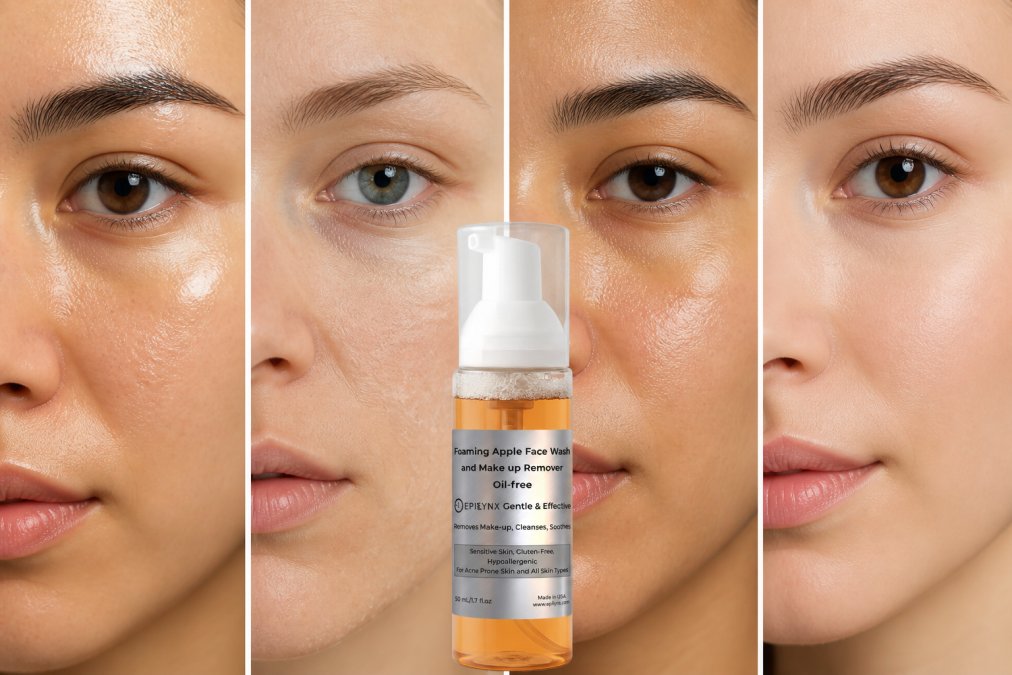
Dermatologists recognize four primary skin types based on sebum production and pore characteristics. Each type has distinct needs and responds differently to active ingredients and treatment methods.
Oily Skin
Oily skin is characterized by excessive sebum production across the entire face, particularly in the T-zone (forehead, nose, and chin). Your complexion appears shiny or glossy, especially by midday, with noticeably larger pores and a higher likelihood of congestion, blackheads, and acne.
The positive side is that oily skin ages more slowly than other types, natural oil provides protection against fine lines and wrinkles. The trade-off is dealing with shine, enlarged pores, and breakouts. Your cleanser must remove excess oil and impurities without stripping the skin. Look for foaming or gel-based cleansers with non-comedogenic formulas. The American Academy of Dermatology recommends lightweight, oil-free moisturizers and avoiding heavy creams that can exacerbate congestion.
Dry Skin
Dry skin produces insufficient sebum, leaving your complexion feeling tight, uncomfortable, and prone to flaky patches. Your skin may appear dull and lack elasticity, with uneven texture and possible redness or irritation after cleansing or harsh weather exposure.
Dry skin requires intensive hydration and nourishment. The skin barrier is often compromised, meaning trans-epidermal water loss (moisture escaping through the skin) is higher than normal. Products should focus on moisture retention and barrier repair. Use hydrating cleansers, rich moisturizers, and serums with hyaluronic acid or glycerin. Avoid harsh exfoliants and astringent toners.
Combination Skin
Combination skin is the most common type. You experience oily skin in the T-zone while the cheeks and outer face remain normal or dry. The challenge is resisting the urge to treat your entire face the same way. Your T-zone might need oil-control products while your cheeks need hydration. Many people benefit from targeted treatments: a lightweight gel moisturizer for oily areas and a richer cream for dry zones.
Sensitive Skin
Sensitive skin reacts easily to products, environmental triggers, and temperature changes. You may experience redness, burning, itching, or inflammation after using certain products. Your skin barrier is often compromised, making it more reactive to active ingredients and fragrances.
Sensitive skin isn't necessarily a skin type in the traditional sense, it's often a condition that occurs alongside oily, dry, or combination skin. Hypoallergenic, fragrance-free products with minimal active ingredients are essential. Always patch test new products on a small area first, waiting 24-48 hours before applying to your entire face. Look for products labeled dermatologist-tested and non-comedogenic.
The Bare-Faced Method: Your First Test
The bare-faced method is the simplest way to determine your skin type at home. It requires no special tools, just your face, clean hands, and about 30 minutes of observation.
Start by thoroughly cleansing your face with a gentle cleanser. Pat your skin dry completely, but don't apply any products, no moisturizer, serum, sunscreen, or toner. Wait for 30 minutes while your skin naturally adjusts and begins producing its baseline level of sebum.
After the waiting period, examine your face carefully. If your entire face feels tight and looks dull, you likely have dry skin. If your T-zone is noticeably oily while your cheeks feel normal, you have combination skin. If your entire face appears shiny and feels oily, you have oily skin. If your skin feels comfortable and balanced with no obvious oiliness or tightness, you have normal skin.
Perform this test in the morning after 7-8 hours of sleep, when your skin is in its most natural state.
The Blotting Sheet Method for Accurate Results
The blotting sheet method is one of the most reliable ways to measure sebum production objectively. Blotting papers are thin, translucent sheets designed to absorb oil without disrupting makeup or skincare products.
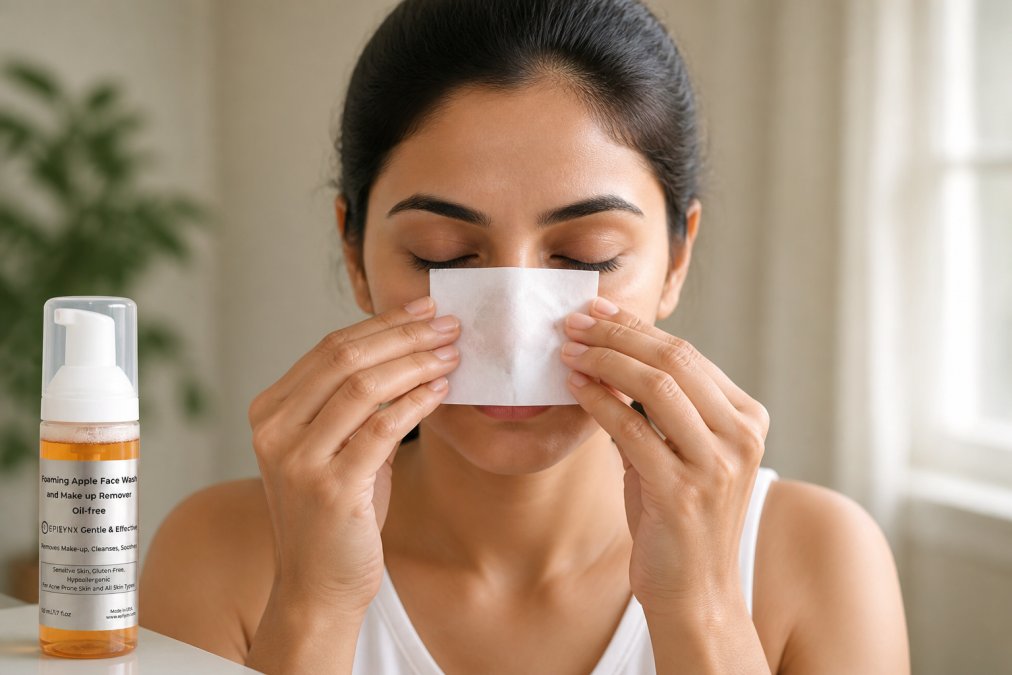
In the late afternoon (6-8 hours after your morning skincare routine), gently press a clean blotting sheet against different areas of your face: forehead, nose, chin, cheeks, and temples. Examine the sheets, areas with heavy oil transfer will show dark, visible marks. Light or no transfer means that area produced minimal sebum.
If all sheets show heavy oil transfer, you have oily skin. If only the T-zone shows significant oil while cheeks are nearly clean, you have combination skin. If all sheets show minimal oil transfer, you have dry skin. If sheets show balanced, light oil transfer across all areas, you have normal skin.
Perform this test 2-3 times at different times of day to get an accurate picture of your skin's behavior.
How to Identify Sensitive Skin at Home
Sensitive skin identification requires a different approach. Rather than measuring sebum production, you're looking for signs of reactivity and inflammation. Sensitive skin can occur alongside any skin type.
Observe how your skin reacts to your current skincare products. Do you experience redness, burning, itching, or tightness after applying certain products? Does your skin react to environmental changes like cold weather, wind, or sun exposure?
Perform a patch test with any new product before using it on your entire face. Apply a small amount to your inner arm or behind your ear, wait 24-48 hours, and observe for any reaction. If you experience redness, itching, or irritation, that product isn't suitable for your sensitive skin.
Common triggers include fragrance, alcohol, essential oils, strong active ingredients like retinol or vitamin C at high concentrations, and physical exfoliants. According to research from the National Eczema Association, sensitive skin is often characterized by a weakened skin barrier that allows irritants to penetrate more easily. Your skincare routine should focus on barrier repair and protection.
Skin Type vs. Skin Condition: Know the Difference
Your skin type is determined by sebum production and is relatively stable, it's genetic and doesn't change dramatically. Your skin condition is temporary and can shift based on environmental factors, hormonal changes, stress, diet, and product use.
Acne is a common example of a skin condition that people mistake for a skin type. You might have dry skin experiencing a temporary acne breakout due to hormonal fluctuations or a new product. The acne is a condition that will resolve; your underlying dry skin type remains unchanged.
Similarly, flaky patches during winter are a skin condition (dehydration from harsh weather), not necessarily an indicator that you have dry skin. Someone with oily skin can experience dry patches if using overly harsh cleansers or active ingredients. The dryness is temporary; the oily skin type persists.
Understanding this distinction changes how you approach skincare. If you treat a temporary condition as your permanent skin type, you'll keep using the wrong products long after the condition resolves. Identify your true skin type using the methods above, then address temporary conditions with targeted treatments.
Building a Skincare Routine for Oily Skin
Once you've confirmed you have oily skin, your routine should focus on managing sebum production without over-stripping your skin. The common mistake is using extremely harsh products that strip away all oil, triggering your skin to produce even more oil to compensate.
Your cleansing routine is the foundation. Use a gentle foaming or gel cleanser twice daily. The American Dermatological Association recommends gentle cleansing for all skin types, even oily skin. Look for non-comedogenic formulas. sheshedbeauty4U's Gentle Foaming Facial Cleanser - Aloe, Apple & Ashwagandha is specifically formulated for oily and blemish-prone skin, removing excess oil and impurities without disrupting your skin barrier at $19.00.

After cleansing, apply a lightweight, oil-free moisturizer. This step is essential, skipping moisturizer causes your skin to overproduce sebum to compensate for perceived dryness. Choose gel or water-based moisturizers that won't feel heavy.
Incorporate a hydrating toner to balance your pH and add lightweight hydration. The Rosewater Facial Toner from sheshedbeauty4U ($29.00) hydrates without adding oil, minimizing pore appearance and providing a refreshing base for other products.
Use targeted treatments for oiliness 2-3 times weekly rather than daily to avoid over-drying your skin. Chemical exfoliants (AHAs and BHAs) penetrate pores and remove dead skin cells without harshness. The Gentle Exfoliating Face Scrub - Hyaluronic Acid, Aloe Vera & Biodegradable Jojoba Beads ($22.00) from sheshedbeauty4U combines gentle physical exfoliation with hydrating ingredients.
Always use sunscreen, even with oily skin. Choose oil-free, non-comedogenic formulas specifically designed for oily or acne-prone skin.
Skincare Products That Actually Work for Acne
Acne is often tied to oily skin but not exclusively. The most effective acne-fighting ingredients are salicylic acid (BHA) and benzoyl peroxide. Salicylic acid penetrates pores to remove dead skin cells and excess sebum. Benzoyl peroxide kills acne-causing bacteria and reduces inflammation.
Start with lower concentrations (1-2% salicylic acid or 2.5% benzoyl peroxide) and use them 3-4 times weekly initially. Gradually increase frequency as your skin builds tolerance. Niacinamide is another powerful acne-fighting ingredient that's gentler than stronger actives, it reduces sebum production, minimizes pore size, and has anti-inflammatory properties.
Consistency matters more than intensity. Using a gentle, consistent routine with proven acne-fighting ingredients beats jumping between harsh products constantly. sheshedbeauty4U's Gentle Foaming Facial Cleanser - Aloe, Apple & Ashwagandha is formulated specifically for acne-prone skin, removing impurities while soothing inflammation at $19.00.
Don't forget hydration. Acne-prone skin still needs moisture. Dehydrated skin becomes irritated and produces more oil to compensate, worsening breakouts. Use a lightweight, non-comedogenic moisturizer after your acne treatments to maintain skin barrier health.
Most acne treatments require 6-8 weeks of consistent use before you see significant improvement. Skin cell turnover takes time. Stick with your routine and give your skin time to respond.
| Acne-Fighting Strategy | Frequency | Expected Timeline | Best For |
|---|---|---|---|
| Gentle cleanser + moisturizer | Twice daily | Maintenance | All skin types |
| Salicylic acid treatment | 3-4x weekly initially | 4-6 weeks | Oily, combination skin |
| Benzoyl peroxide | 2-3x weekly | 6-8 weeks | Moderate acne |
| Niacinamide serum | Daily | 2-4 weeks | Sensitive acne-prone skin |
| Clay mask | Weekly | Ongoing | Oily, acne-prone skin |
Determining your skin type at home is straightforward once you know what to look for. The bare-faced method and blotting sheet method give you objective data about your skin's natural behavior. From there, building a routine tailored to your specific skin type transforms your complexion. At sheshedbeauty4U, our Radiant Beauty Essentials are designed to work across all skin types, with specific formulations for oily, dry, combination, and sensitive skin. Start with identifying your true skin type, then choose products that address your actual needs rather than guessing. Your skin will thank you.
Frequently Asked Questions
What is the bare-faced method for determining skin type?
The bare-faced method involves cleansing your face thoroughly, patting it dry, and waiting 30 minutes without applying any products. Observe how your skin feels and looks: if it feels tight and looks dull, you likely have dry skin; if it appears shiny with visible sebum production, you have oily skin; if some areas are oily while others are dry, you have combination skin. This simple test reveals your skin's natural state without product interference.
How do I know if I have sensitive skin?
Sensitive skin typically shows signs of redness, inflammation, or irritation after using new products or being exposed to environmental triggers. You may experience tightness, flaky patches, or a burning sensation. To identify sensitive skin at home, apply a small amount of a new product to your inner arm and wait 24 hours. If redness or itching develops, that product may not be suitable for your skin. Sensitive skin often has a compromised skin barrier, making it more reactive to active ingredients and environmental stressors.
Can my skin type change over time?
While your baseline skin type, determined by sebum production, is relatively stable, your skin's condition can change due to hormonal fluctuations, aging, climate changes, stress levels, and skincare habits. Hormonal shifts during menstrual cycles, pregnancy, or menopause can temporarily alter sebum production and hydration levels. Seasonal changes also affect skin texture and oil production. It's worth reassessing your skin every 6-12 months, especially if you notice significant changes in how your complexion behaves.
Why is it important to know my skin type before buying skincare products?
Knowing your skin type ensures you select products formulated for your specific needs, preventing wasted money and potential skin irritation. Oily skin requires non-comedogenic, oil-free formulas; dry skin needs rich moisturizers; combination skin benefits from targeted treatments for different zones; and sensitive skin requires hypoallergenic, fragrance-free options. Products mismatched to your skin type can worsen existing issues like acne or dryness. Understanding your skin type also helps you build an effective skincare routine that supports your skin barrier and addresses your actual concerns rather than guessing.
This article was written using GrandRanker