
Update Your Style Without Overspending: A 2026 Guide
Table of Contents
- Assess Your Current Wardrobe and Style Goals
- How to Style Clothes You Already Own
- How to Find Clothes That Flatter Your Body Type
- Build Wardrobe Capsule Essentials on a Budget
- Shop Smart: Second-Hand and Thrifting Strategies
- Maintain and Care for Your Garments
- Break the Impulse Buying Cycle
- Conclusion: Your Affordable Style Refresh Starts Now
Last Updated: August 29, 2026
Assess Your Current Wardrobe and Style Goals
Before updating your style without overspending, understand what you already have and where you want to go. Start by conducting a wardrobe audit: pull everything out, sort by category, and ask three questions about each piece: Do I actually wear this? Does it fit my current lifestyle? Does it align with my desired aesthetic?
Many people hold onto clothes for reasons that no longer apply, a blazer from a previous job, an impulse purchase that never matched anything. These items waste mental and physical space.
Next, identify your personal style by recognizing patterns in the clothes you actually reach for. What colors dominate? What silhouettes feel comfortable? What's the overall vibe? Document your style goals clearly: Are you dressing for work, casual life, or a mix? Do you want to look polished, relaxed, trendy, or classic? Finally, assess your lifestyle realistically. If you work from home, investing heavily in business wear doesn't make sense. Your wardrobe should reflect how you actually spend your time.
How to Style Clothes You Already Own
Most people wear only 20% of their closet regularly, meaning you likely have far more styling potential than you realize (peer-reviewed research).
Master Mix-and-Match Outfit Formulas
An outfit formula is a simple structure you can repeat with different pieces. The most versatile formula is: neutral base + statement piece + accessory. A white tee (neutral base) + patterned blazer (statement piece) + gold jewelry (accessory) creates an instantly polished look.
Another reliable formula: monochromatic + texture contrast. All one color but mixing materials, a silk blouse, wool trousers, and leather shoes, makes you look intentional and coordinated.
The third formula: fitted + loose + structured. A fitted turtleneck, loose linen pants, and a structured coat create visual balance and prevent looking too tight or too shapeless.
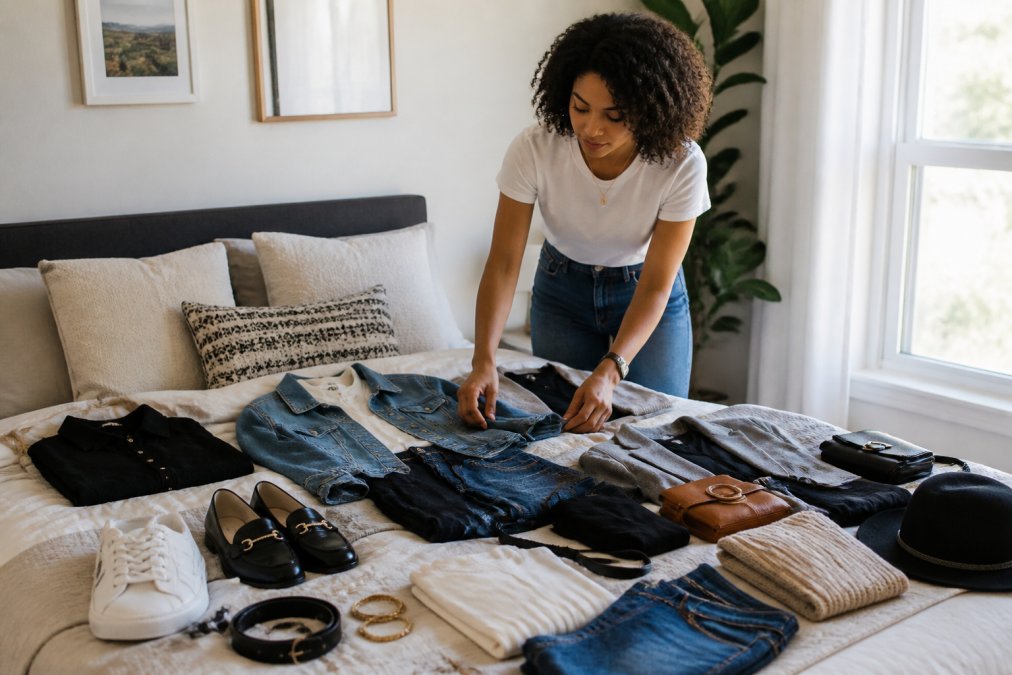
Document three outfit formulas that work for your lifestyle and repeat them. Getting dressed becomes a system rather than a puzzle.
Use Accessories to Elevate Your Look
Accessories are the most underrated tool for updating your style without spending heavily on new clothes. A single accessory can transform an ordinary outfit into something intentional and curated.
Invest in quality basics in neutral colors: a leather belt, structured handbag, and simple watch. These pieces work with almost everything and last for years. Add personality through smaller, less expensive accessories: scarves, jewelry, hats, and bags.
By directing attention to accessories, you control what people notice first. A statement necklace draws eyes upward; a patterned scarf adds visual interest without requiring a new outfit.
Layering accessories is an art form. Wear two delicate necklaces instead of one chunky one. Stack rings. Combine a belt with a scarf. Buy accessories in multiples of your core colors to create cohesion and make mixing pieces effortless.
How to Find Clothes That Flatter Your Body Type
Understanding your body type helps you make purchases that work for your shape. Your body shape typically falls into one of five categories: pear, apple, hourglass, rectangle, or inverted triangle (the American Academy of Dermatology). Pear shapes carry weight in the hips and thighs, so A-line skirts and darker bottoms balance the silhouette. Apple shapes carry weight around the midsection, so structured fabrics and vertical lines are flattering. Hourglass shapes have balanced curves, so fitted styles emphasize proportions. Rectangle shapes lack defined curves, so peplum tops and ruching create dimension. Inverted triangle shapes have broader shoulders, so A-line skirts and wide-leg pants balance the frame.
The key principle: use contrast and structure to create balance. The best piece is one that makes you feel good in your own skin, that confidence matters more than technical fit guidelines.
When shopping, try things on whenever possible. Fit varies wildly between brands. Knowing your measurements in inches (bust, waist, hip, inseam) helps you shop more accurately online, but physical fitting remains the gold standard.
Build Wardrobe Capsule Essentials on a Budget
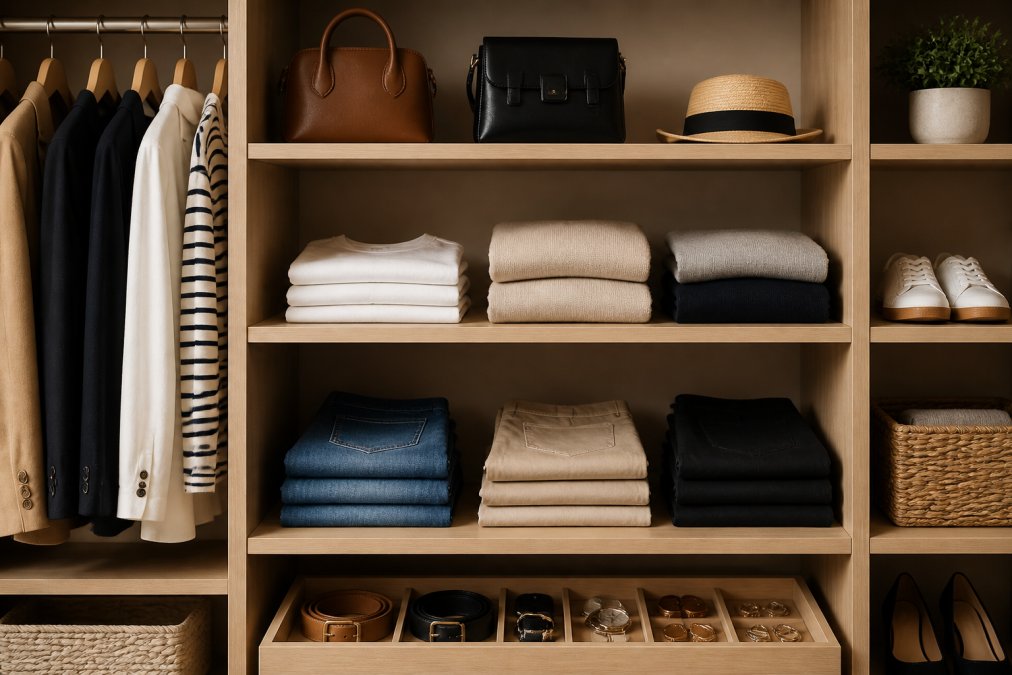
A capsule wardrobe is a curated collection of essential pieces that work together to create multiple outfits. The goal is quality over quantity: fewer pieces that you love and that work together.
Classic Staples vs. Trendy Pieces
The foundation of a budget-conscious capsule is classic staples: white button-down shirts, well-fitting jeans, neutral blazers, simple tees, and basic sweaters. When building on a budget, prioritize staples first.
Classic pieces cost more upfront but deliver value over time because you wear them constantly. A quality white button-down shirt works for work, casual weekends, and layering under dresses. You'll wear it hundreds of times, which amortizes the cost significantly.
Trendy pieces should represent maybe 20% of your capsule (peer-reviewed research). That hot pink blazer might feel amazing now, but in two years, you'll struggle to style it. Budget-conscious shoppers buy trendy pieces from lower-price retailers and classic pieces from higher-quality sources. The sweet spot is classic pieces in on-trend colors, a camel coat is classic but cycles in and out of fashion, while a navy blazer is both classic and timeless.
Cost-Per-Wear Strategy
Cost-per-wear is a simple calculation that changes how you think about purchases. Divide the price of an item by the number of times you'll wear it. A $100 blazer worn 100 times costs $1 per wear. A $30 trendy top worn 5 times costs $6 per wear.
This framework removes emotion from purchasing. Apply this thinking to your budget: if you have $200 to spend, one expensive piece you'll wear constantly usually wins over several cheaper pieces you'll wear occasionally.
Track your actual wearing patterns for one month. Write down what you wore each day. This data-driven approach removes guesswork from future purchases.
Shop Smart: Second-Hand and Thrifting Strategies
Second-hand shopping is one of the most underrated ways to update your style without overspending. Quality vintage and gently used pieces cost a fraction of retail while offering unique items.
Thrifting requires strategy. Know what gaps exist in your capsule, know your measurements, and know the brands that fit your body type well. Walk in with a specific mission.
Quality indicators matter in second-hand shopping. Check seams for strength, look for fabric pilling or stains, try things on, and inspect zippers and buttons. Local thrift stores offer discovery and immediate gratification. Consignment shops typically have higher-quality pieces. Online resale platforms like Poshmark and Depop give you access to specific brands and sizes.
Set a budget per item to prevent spending as much at thrift stores as you would retail.
Maintain and Care for Your Garments
Your clothes will only serve you well if you care for them properly. Proper maintenance extends the life of pieces and keeps them looking fresh without constant replacing.
Read care labels before washing. Cold water and gentle cycles extend fabric life. Air drying is gentler than machine drying. Invest in a few maintenance tools: a fabric shaver for removing pilling, a steamer for refreshing clothes between washes, and quality hangers that support garment shape.
Treat stains immediately before washing. Different stains require different approaches: protein stains (blood, sweat) need cold water; oil stains need dry cleaning or specific solvents.
Minor repairs extend garment life dramatically. A loose button takes five minutes to fix. A small hole can be patched before it becomes a gaping tear. Hemming pants that are slightly too long prevents the fraying that eventually makes them unwearable.
Break the Impulse Buying Cycle
Impulse buying is the enemy of updating your style without overspending. The most effective impulse-buying prevention is the 30-day rule: when you want something, add it to a list and wait 30 days. Most impulses fade, and you'll realize you didn't actually need the item.
Before any purchase, ask yourself: Does this fit my personal style? Does it work with at least three pieces I already own? Will I wear this within the next month? Can I afford this without going into debt? If you answer no to any of these, don't buy it.
Unsubscribe from marketing emails. Retailers spend millions making you feel like you're missing out on deals. Remove that urgency by removing the notifications.
Shop your closet first. Before browsing new items, try to create new outfits from what you already own. Challenge yourself to wear every piece at least once.
Set spending limits and track your purchases. Know exactly how much you've spent this month.
Updating your style without overspending comes down to intentionality. At sheshedbeauty4U, we believe that the best style isn't about having the most clothes or spending the most money. It's about understanding yourself, making strategic choices, and caring for what you own. Start with a clear wardrobe audit, build a capsule of classic pieces that work together, and use accessories to add personality and variety. Shop second-hand when possible, maintain your garments properly, and resist impulse buying. By mastering mix-and-match formulas and understanding what flatters your body type, you can create dozens of outfits without buying anything new. When you do shop, invest in quality basics and use cost-per-wear calculations to guide your decisions. Visit sheshedbeauty4U's Effortless Style Collection to discover curated pieces designed to work seamlessly with the fundamentals you're building, and explore our styling guides to turn your existing wardrobe into a confident, cohesive personal style.
=== FAQ ANSWERS (audit these too, same rules) ===
[1] Q: How do I identify my personal style without buying new clothes? A: Start by examining pieces you already reach for repeatedly, these reveal your authentic style preferences. Create a mood board using photos from social media or magazines that resonate with you. Notice the colors, silhouettes, and overall vibe. Then assess your current wardrobe against this vision. Identify gaps and overlaps. This self-awareness helps you make intentional purchases aligned with your personal style, reducing wasteful spending on pieces that don't fit your aesthetic or lifestyle needs.
[2] Q: What's the best way to update your style without overspending? A: Focus on maximizing what you own through strategic styling and smart shopping. Audit your closet to understand your wardrobe capsule essentials. Learn to mix and match existing pieces in new combinations. Invest in versatile accessories, like the Vintage Fashion Pilot Sunglasses at $30, that transform multiple outfits. Shop second-hand for classic pieces, and prioritize cost-per-wear when buying anything new. This approach lets you refresh your look without a large budget by creating new outfit combinations and adding affordable statement pieces.

[3] Q: How do I mix and match existing pieces to create new looks? A: Use the outfit formula method: pair each basic piece (neutral tee, jeans) with 3-4 different tops, bottoms, or layers to create distinct outfits. Experiment with layering, add a blazer, cardigan, or denim jacket over basics to change the vibe. Swap accessories strategically; the same outfit looks completely different with a belt, scarf, or different shoes. Document combinations you love using your phone so you can replicate them. This systematic approach reveals how many outfits already exist in your closet, eliminating the need for constant new purchases.
[4] Q: What are essential wardrobe staples every woman should own? A: A strong wardrobe capsule includes: white and black tees, well-fitting jeans, neutral blazer, simple white button-down, black trousers, neutral sweater, and versatile footwear like the Women's Retro British-Style Casual Shoes at $69.99. Add a neutral dress, layering pieces, and basics in your best colors. These classics form the foundation for countless outfit combinations. Accessories like pilot sunglasses add personality without major expense. Focus on quality basics in neutral colors first, then layer in pieces that reflect your personal style and lifestyle needs.
Frequently Asked Questions
How do I identify my personal style without buying new clothes?
Start by examining pieces you already reach for repeatedly, these reveal your authentic style preferences. Create a mood board using photos from social media or magazines that resonate with you. Notice the colors, silhouettes, and overall vibe. Then assess your current wardrobe against this vision. Identify gaps and overlaps. This self-awareness helps you make intentional purchases aligned with your personal style, reducing wasteful spending on pieces that don't fit your aesthetic or lifestyle needs.
What's the best way to update your style without overspending?
Focus on maximizing what you own through strategic styling and smart shopping. Audit your closet to understand your wardrobe capsule essentials. Learn to mix and match existing pieces in new combinations. Invest in versatile accessories, like the Vintage Fashion Pilot Sunglasses at $30, that transform multiple outfits. Shop second-hand for classic pieces, and prioritize cost-per-wear when buying anything new. This approach lets you refresh your look without a large budget by creating new outfit combinations and adding affordable statement pieces.
How do I mix and match existing pieces to create new looks?
Use the outfit formula method: pair each basic piece (neutral tee, jeans) with 3-4 different tops, bottoms, or layers to create distinct outfits. Experiment with layering, add a blazer, cardigan, or denim jacket over basics to change the vibe. Swap accessories strategically; the same outfit looks completely different with a belt, scarf, or different shoes. Document combinations you love using your phone so you can replicate them. This systematic approach reveals how many outfits already exist in your closet, eliminating the need for constant new purchases.
What are essential wardrobe staples every woman should own?
A strong wardrobe capsule includes: white and black tees, well-fitting jeans, neutral blazer, simple white button-down, black trousers, neutral sweater, and versatile footwear like the Women's Retro British-Style Casual Shoes at $69.99. Add a neutral dress, layering pieces, and basics in your best colors. These classics form the foundation for countless outfit combinations. Accessories like pilot sunglasses add personality without major expense. Focus on quality basics in neutral colors first, then layer in pieces that reflect your personal style and lifestyle needs.
This article was written using GrandRanker